


CosmoELEMENTS
CosmoELEMENTS keeps us in touch with exciting discoveries in cosmochemistry and provides short articles that can be used in the classroom or report on the space missions carrying geochemical and mineralogical instruments. Proposals for future articles are welcome and should be sent to the Elements Executive Editor, or to the Column Editor, Cari Corrigan, at corriganc@si.edu.
TISSEMOUMINITES: A NEW GROUP OF PRIMITIVE ACHONDRITES
By Alice Stephant and Jemma Davidson | June, 2023
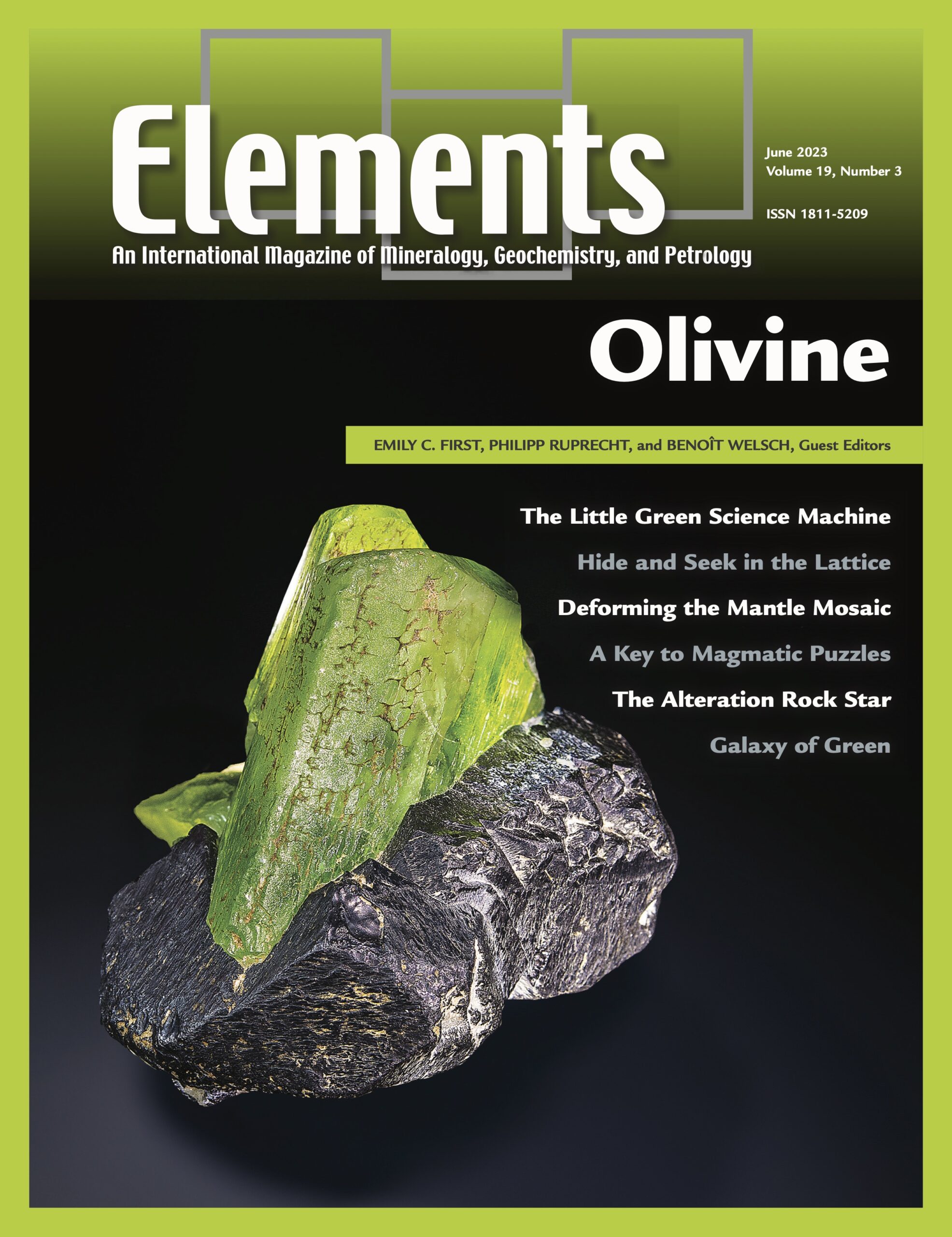
Primitive achondrites are a remarkable family of meteorites, marking the transition between unmolten chondrites and fully differentiated achondrites (Fig. 1). As such, these meteorites sampled partially melted planetesimals, formed only a few million years (My) after the formation of the first solids in the Solar System. Primitive achondrites have coarse-grained igneous achondritic textures, resulting from extensive thermal metamorphism, while retaining some chondritic features such as relict chondrules and chondritic bulk rock compositions (Krot et al. 2014). The peculiar nature of primitive achondrites constrains their parent body petrogenesis, which is yet to be fully understood. Primitive achondrites are subdivided into different groups on the basis of their petrologies and chemical and isotopic compositions, including the acapulcoites–lodranites, winonaites, brachinites, and ureilites (Krot et al. 2014). While brachinites and ureilites have very distinctive petrologic characteristics, the boundary between winonaites and acapulcoites is not so obvious. In fact, the similarities between winonaites and acapulcoites may have been hiding an entirely new class of primitive achondrites (Stephant et al. 2023).
The Cr Chondrites: Treasure Troves From The Early Solar System
By Jemma Davidson and Devin L. Schrader | April, 2023
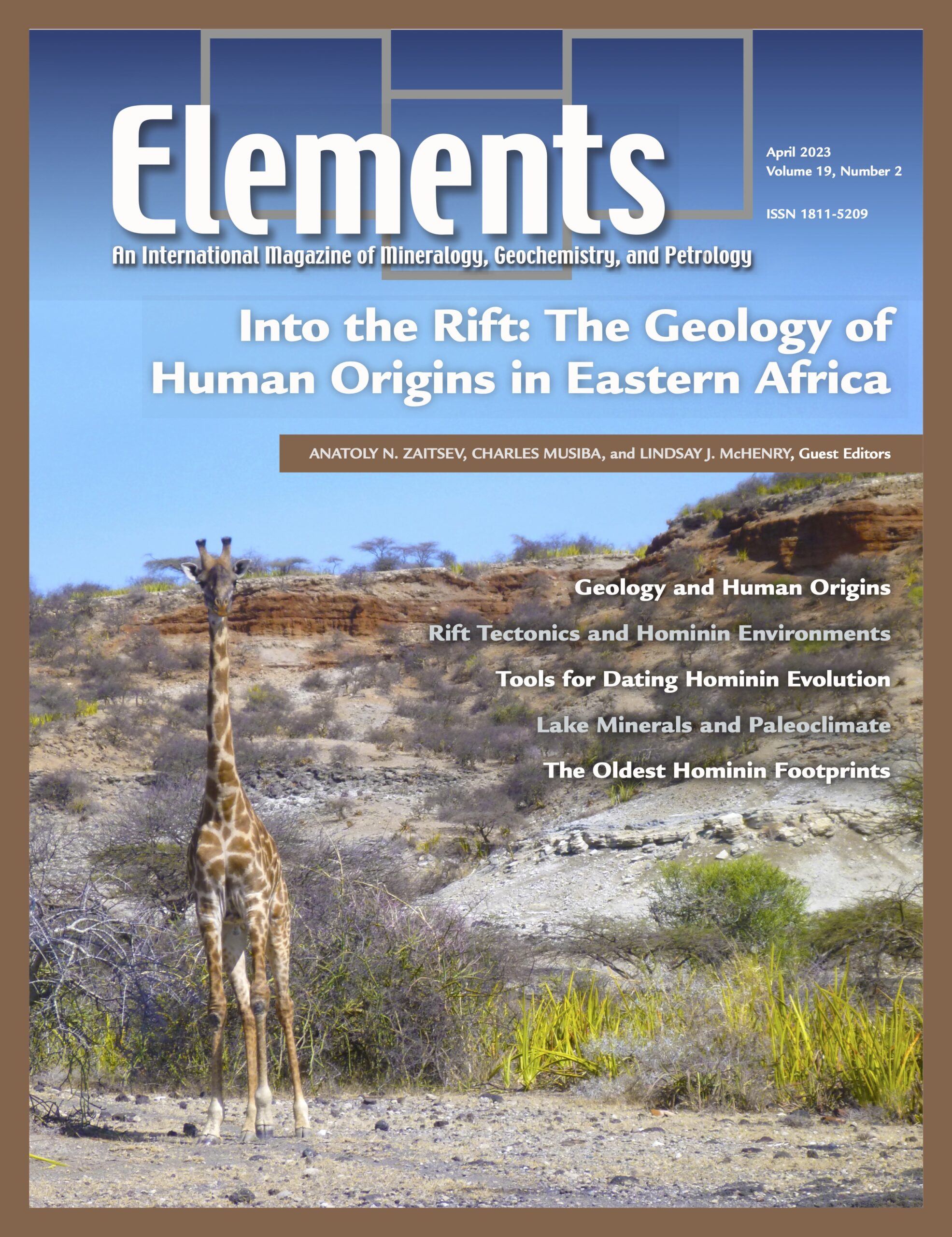
Chondritic meteorites are time capsules from the earliest days of our Solar System’s history, none more so than the carbonaceous Renazzolike (CR) chondrites. These chondrites are primarily aggregates of roughly spherical chondrules and a fine-grained matrix, and provide invaluable information about the nature of material present in the early Solar System. Even though the CR chondrite group contains members that exhibit varying degrees of aqueous alteration (from minor to nearly complete replacement of primary minerals) and at least two members that have been shock-heated by impacts, they are on the whole incred- ibly pristine.
Ending 30 Years of Hurt: The Winchcombe Meteorite Fall
By Luke Daly, Ashley J. King, Katherine H. Joy and Jim Rowe | October, 2021
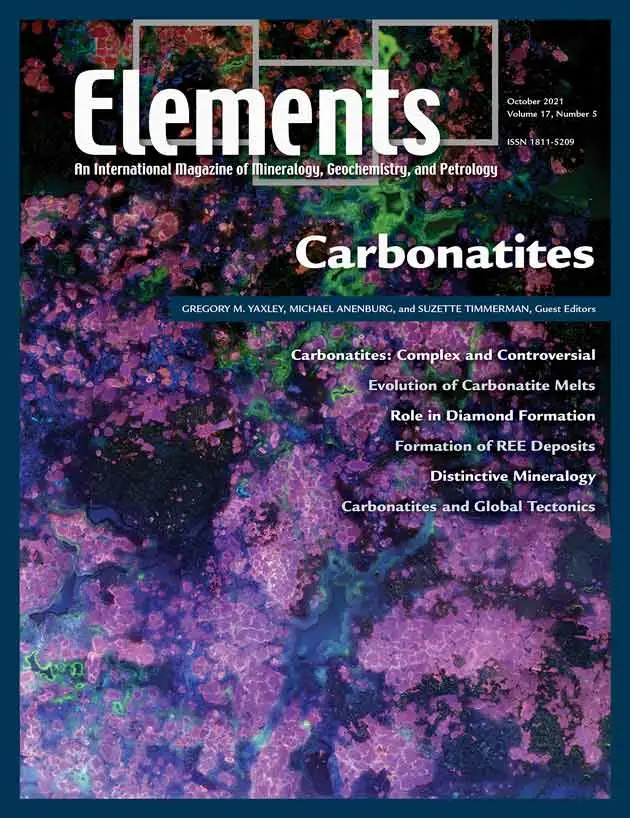
Meteorite hunting is a lot like football (soccer) … just run with us on this. Success requires skill, a cracking team, a whole lot of luck … and, historically, England (and the UK) are not very good at it … we were just unlucky … the (fire)ball always seems to miss the goal! Meanwhile, around the world, meteorite fall recoveries are becoming more and more frequent; but in the UK, to put it in the style of the famous English football anthem by the band the Lightning Seeds, it’s been “30 years of hurt” since our last meteorite fall.