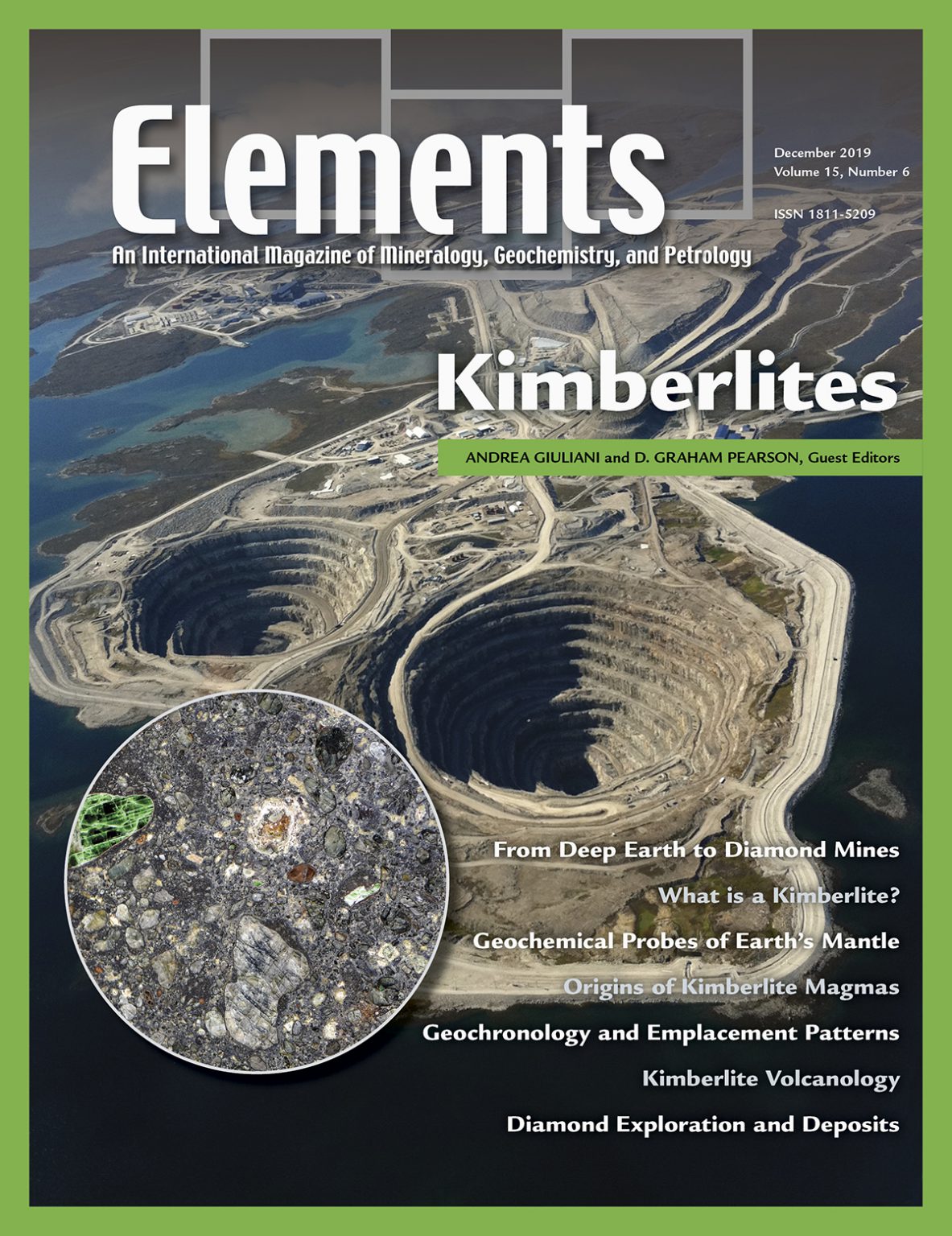
By Nancy L. Ross, Jonathan D. Blundy, John M. Eiler and Jodi J. Rosso | December, 2019
The copy of Elements you are holding in your hands (or reading online) is the result of the creativity and expertise of our 18 participating socities, authors, editors, reviewers, graphic designers, business and administrative staff, print and shipping vendors, and advertisers. Every issue represents hundreds of hours of effort by many individuals working together for a common goal … to deliver Elements to you, the reader. Elements is a joint endeavour. Each year, in our final issue, we take a moment to extend our appreciation to those that brought Elements to life. This year is no different.
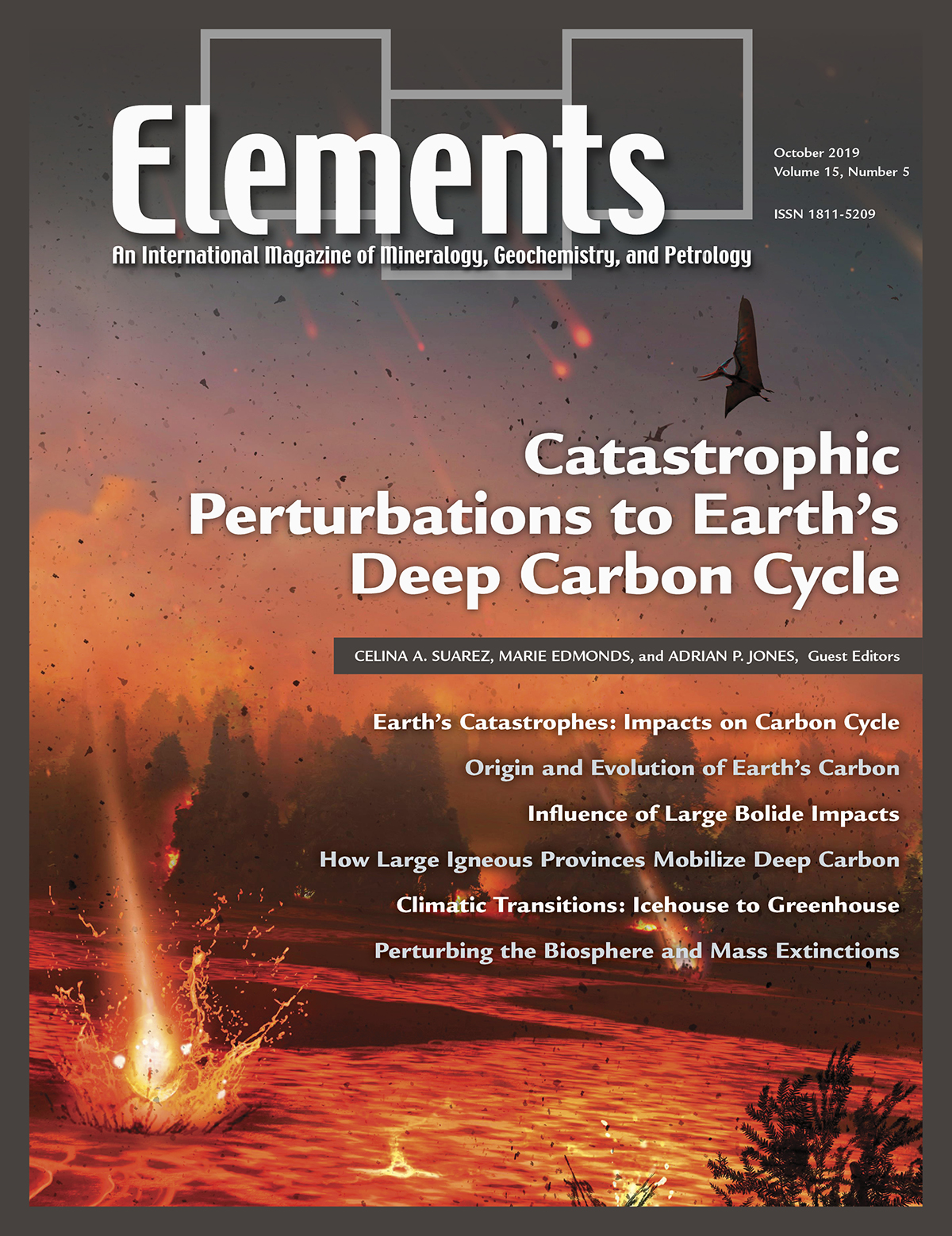
By Nancy L. Ross, Jonathan D. Blundy, John M. Eiler and Jodi J. Rosso | October, 2019
The Elements principal editors met in Barcelona (Spain) on Sunday, 17 August 2019, for their annual face to face meeting. The all day meeting took place at the Barcelona International Convention Center, which is just a short distance from the beach. While many vacationers enjoyed the warm summer weather, our Elements editorial team was busy at work. As mentioned in our August 2019 From the Editors column, these meetings are essential for maintaining and/or improving the quality and performance of Elements. Lively discussions have always been part of Elements editorial meetings. This year was no different. Below are just a few highlights.
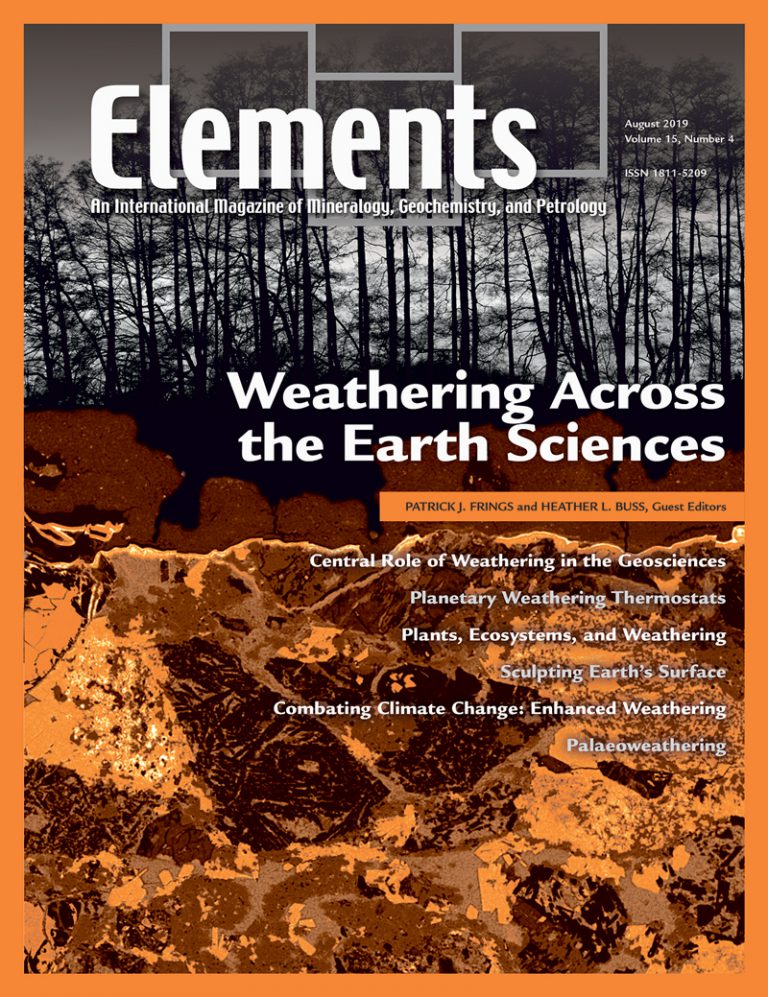
By Nancy L. Ross, Jonathan D. Blundy, John M. Eiler and Jodi J. Rosso | July, 2019
Each year, we report to you the results of the Clarivate Analytics (formerly Thomson Reuters) “In Cites TM Journal Citation Reports” for Elements. The 2018 report was released in June 2019. Elements’ journal impact factor is 4.224, which ranks 2nd in the mineralogy category (29 journals) and 12th in the geochemistry/geophysics category (84 journals). Elements impact factor has hovered between 4.0 and 4.5 since 2013. The 5year impact factor is 5.546.
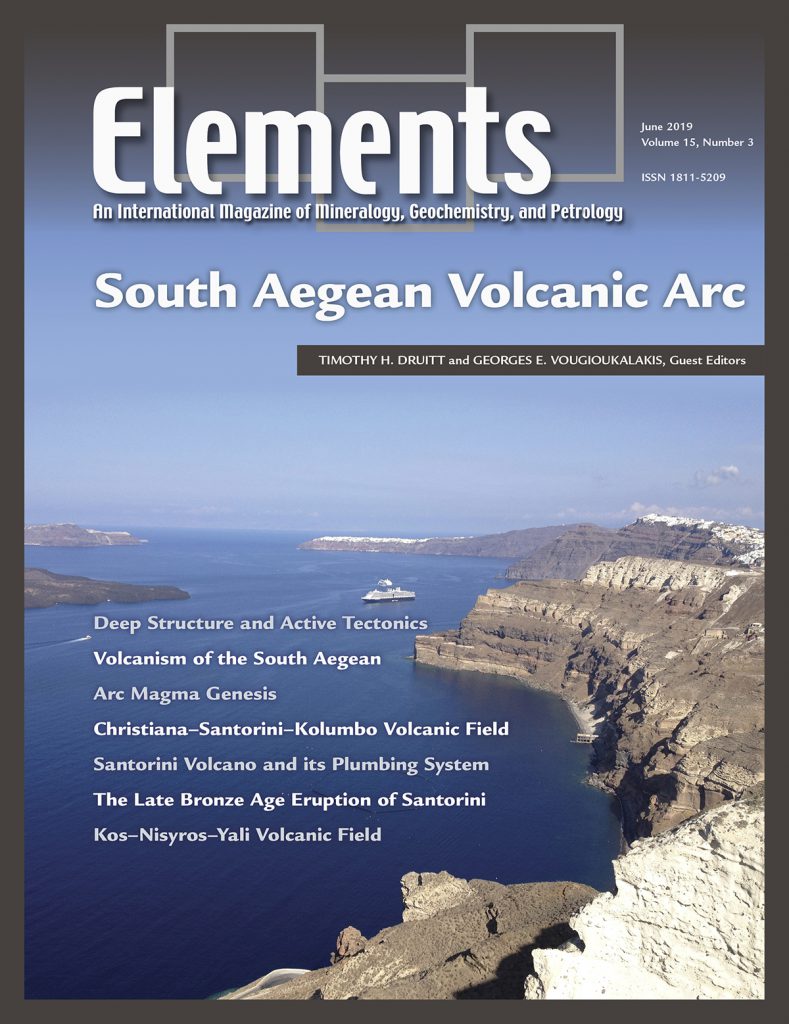
By Nancy L. Ross, Jonathan D. Blundy, John M. Eiler and Jodi J. Rosso | June, 2019
We welcome the submission of proposals for future thematic issues of Elements. The Elements proposal system is not especially onerous. It is as simple as developing a two page proposal (see our website for details) and submitting it to the editorial team for consideration. That’s it! If you want feedback on your ideas or want guidance regarding your proposal, our editorial team is willing to work with you.
By Nancy L. Ross, Jonathan D. Blundy, John M. Eiler and Jodi J. Rosso | April, 2019
With this issue, we warmly welcome the International Association on the Genesis of Ore Deposits to the group of participating societies who partner in the publication of Elements. Formed in 1963, the IAGOD aims to promote international cooperation in the study of the genesis of ore deposits and to further the growth of knowledge in this field.
By Nancy L. Ross, Jonathan D. Blundy, John M. Eiler and Jodi J. Rosso | February, 2019
With the start of 2019, John M. Eiler joins the Elements editorial team. He is taking on the role as our geochemistry principal editor. There are so many more topics to feature in Elements. In March 2019, the editorial team will meet to evaluate proposals for inclusion in our lineup. We invite you to contact one of the Elements editors and submit a thematic proposal for consideration!
December 2025 --The Variscan Orogeny in Europe – Understanding Supercontinent Formation
The Variscan orogen formed between 380 and 300 million years ago through several accretionary and collisional cycles, culminating with the construction of the Pangea supercontinent. This process occurred via sequential opening and closure of oceanic basins, synchronous detachment of Gondwana derived continental ribbons, and their outboard amalgamation onto the Laurussia margin. The Variscan orogen is rather unique compared with other orogenic belts on Earth: its overthickened and dominantly magmatic crust in the central belt, surprisingly minor mantle involvement in the magmatic and geodynamic processes, coherent and pulsed magmatism along the collision suture, and its complex accretionary history. Because its final product, Pangea, is the youngest and best-understood supercontinent on Earth, the Variscan orogeny offers clues for understanding the mechanisms of supercontinent formation.