


Author name: Geoffrey S. Plumlee

Environmental and Medical Geochemistry in Urban Disaster Response and Preparedness

History abounds with accounts of cities that were destroyed or significantly damaged by natural or anthropogenic disasters, such as volcanic eruptions, earthquakes, wildland–urban wildfires, hurricanes, tsunamis, floods, urban firestorms, terrorist attacks, and armed conflicts. Burgeoning megacities place ever more people in the way of harm from future disasters. In addition to the physical damage, casualties, and injuries they cause, sudden urban disasters can also release into the environment large volumes of potentially hazardous materials. Environmental and medical geochemistry investigations help us to (1) understand the sources and environmental behavior of disaster materials, (2) assess potential threats the materials pose to the urban environment and health of urban populations, (3) develop strategies for their cleanup/disposal, and (4) anticipate and mitigate potential environmental and health effects from future urban disasters.

This content is for Registered members only. To subscribe, please
join one of our participating societies or contact the Editorial Team.

Login
Already a member? Log in here

Environmental and Medical Geochemistry in Urban Disaster Response and Preparedness Read More »
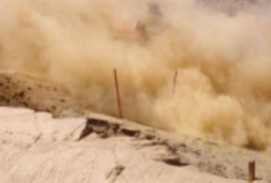
Mine Wastes and Human Health

Historical mining and mineral processing have been linked definitively to health problems resulting from occupational and environmental exposures to mine wastes. Modern mining and processing methods, when properly designed and implemented, prevent or greatly reduce potential environmental health impacts. However, particularly in developing countries, there are examples of health problems linked to recent mining. In other cases, recent mining has been blamed for health problems but no clear links have been found. The types and abundances of potential toxicants in mine wastes are predictably influenced by the geologic characteristics of the deposit being mined. Hence, Earth scientists can help understand, anticipate, and mitigate potential health issues associated with mining and mineral processing.

This content is for Registered members only. To subscribe, please
join one of our participating societies or contact the Editorial Team.

Login
Already a member? Log in here

Mine Wastes and Human Health Read More »

Scroll to Top

December 2025 --The Variscan Orogeny in Europe – Understanding Supercontinent Formation

The Variscan orogen formed between 380 and 300 million years ago through several accretionary and collisional cycles, culminating with the construction of the Pangea supercontinent. This process occurred via sequential opening and closure of oceanic basins, synchronous detachment of Gondwana derived continental ribbons, and their outboard amalgamation onto the Laurussia margin. The Variscan orogen is rather unique compared with other orogenic belts on Earth: its overthickened and dominantly magmatic crust in the central belt, surprisingly minor mantle involvement in the magmatic and geodynamic processes, coherent and pulsed magmatism along the collision suture, and its complex accretionary history. Because its final product, Pangea, is the youngest and best-understood supercontinent on Earth, the Variscan orogeny offers clues for understanding the mechanisms of supercontinent formation.