



Evolution and Structure of the European Variscan Lithospheric Mantle
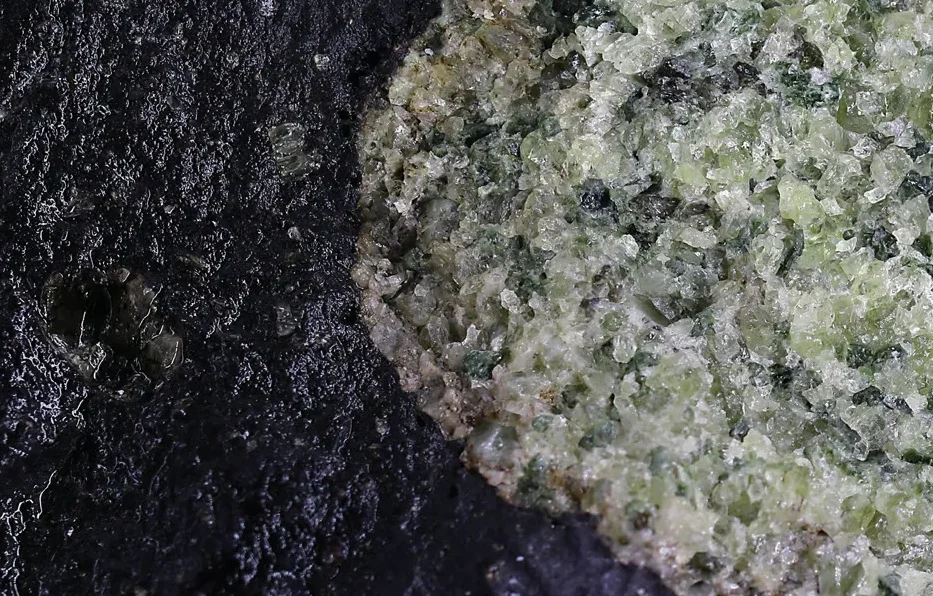
Tectonically emplaced peridotites and mantle xenoliths present complementary aspects of the evolution of the Variscan lithospheric mantle. The former have diverse origins and document complex histories of melt–rock reactions, exhumation along various pressure–temperature–time (P–T–t) paths, and emplacement into the crust, unravelling plate boundary evolution during Variscan subduction and collision. Mantle xenoliths exhumed by Cenozoic volcanism reveal ancient partial melting and mostly post-Variscan metasomatism episodes. Yet, their coarse-grained textures potentially record Variscan deformation. Dominantly belt-parallel fast seismic directions of the in situ Variscan lithospheric mantle may record flow normal to the convergence direction, but parallel to the boundaries of the Baltica and Avalonia blocks in central Europe, and to the main strike-slip faults and late extension in the Massif Central and Iberia.
Evolution and Structure of the European Variscan Lithospheric Mantle Read More »