


Author name: R. Stephen J. Sparks

Dynamic Magma Systems: Implications for Forecasting Volcanic Activity

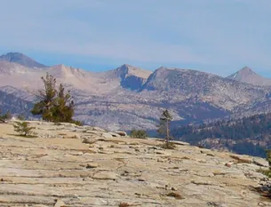
Magma systems that supply volcanoes can extend throughout the crust and consist of mush (melt within a crystalline framework) together with ephemeral magma accumulations. Within a crystal-rich mush, slow processes of melt segregation and heat loss alternate with fast processes of destablisation and magma transport. Magma chambers form by two mechanisms: incremental magma intrusion into sub-solidus rocks or the segregation and rapid merging of melt-rich layers within mush regions. Three volcanic states reflect alternations of slow and fast processes: dormancy, unrest and eruption. Monitoring needs to detect processes of melt and fluid movements in the lower and middle crust during destabilisation to improve forecasting.

This content is for Registered members only. To subscribe, please
join one of our participating societies or contact the Editorial Team.

Login
Already a member? Log in here

Dynamic Magma Systems: Implications for Forecasting Volcanic Activity Read More »
Kimberlite Volcanology: Transport, Ascent, and Eruption

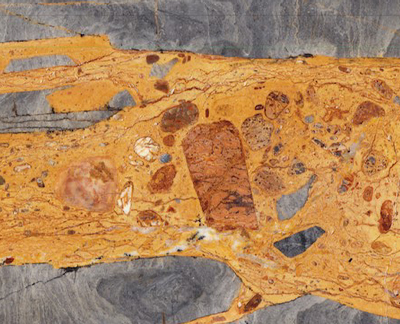
Kimberlite rocks and deposits are the eruption products of volatile-rich, silica-poor ultrabasic magmas that originate as small-degree mantle melts at depths in excess of 200 km. Many kimberlites are emplaced as subsurface cylindrical-to-conical pipes and associated sills and dykes. Surficial volcanic deposits of kimberlite are rare. Although kimberlite magmas have distinctive chemical and physical properties, their eruption styles, intensities and durations are similar to conventional volcanoes. Rates of magma ascent and transport through the cratonic lithosphere are informed by mantle cargo entrained by kimberlite, by the geometries of kimberlite dykes exposed in diamond mines, and by laboratory-based studies of dyke mechanics. Outstanding questions concern the mechanisms that trigger and control the rates of kimberlite magmatism.

This content is for Registered members only. To subscribe, please
join one of our participating societies or contact the Editorial Team.

Login
Already a member? Log in here

Kimberlite Volcanology: Transport, Ascent, and Eruption Read More »

Scroll to Top

December 2025 --The Variscan Orogeny in Europe – Understanding Supercontinent Formation

The Variscan orogen formed between 380 and 300 million years ago through several accretionary and collisional cycles, culminating with the construction of the Pangea supercontinent. This process occurred via sequential opening and closure of oceanic basins, synchronous detachment of Gondwana derived continental ribbons, and their outboard amalgamation onto the Laurussia margin. The Variscan orogen is rather unique compared with other orogenic belts on Earth: its overthickened and dominantly magmatic crust in the central belt, surprisingly minor mantle involvement in the magmatic and geodynamic processes, coherent and pulsed magmatism along the collision suture, and its complex accretionary history. Because its final product, Pangea, is the youngest and best-understood supercontinent on Earth, the Variscan orogeny offers clues for understanding the mechanisms of supercontinent formation.