
Variscan Orogeny: A Three Oceans Problem
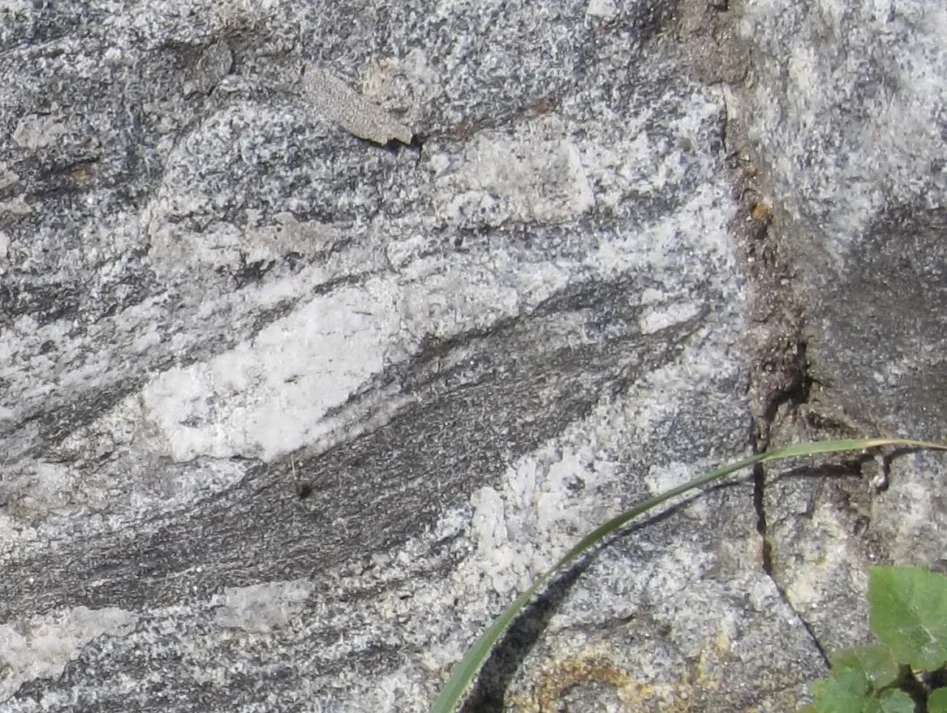
Deformed Variscan rocks crop out across much of Europe and northwestern Africa and tell the story of the Paleozoic welding of Gondwana and Laurussia to form Earth’s last supercontinent, Pangaea. Although mainly preserved as continental products, this event was driven by the opening and closing of three oceans: first the Rheic Ocean’s Late Silurian subduction northward beneath Laurussia, then also southward beneath northeastern Gondwana in the Mid-Devonian. Devonian slab rollback along Laurussia’s southern margin then opened the Rhenohercynian Ocean while the Rheic Ocean continued subducting beneath Gondwana’s northeastern edge. Early Carboniferous retreat of that trench then rifted eastern Gondwana, opening the wedge-shaped Paleotethys Ocean. The Rheic and Rhenohercynian oceans then closed, melding the continents, contemporaneous with subduction along northern Paleotethys, widespread intracontinental magmatism, and then orogenic collapse.
Variscan Orogeny: A Three Oceans Problem Read More »