


1811-5209/25/0021-0321$2.50 DOI: 10.2138/gselements.21.5.321
Keywords: Space; meteorites; curation; astromaterials; ices
INTRODUCTION
A fundamental trait of being human is wondering how we got here and what lies ‘out there’. To begin to address those questions, we must accurately piece together billions of years of the complex geological history of numerous celestial bodies. Our Solar System comprises a giant star, four rocky planets, two gas giants, two ice giants, at least five dwarf planets, the Moon, a plethora of other moons (icy and rocky), millions of asteroids and comets, and dust. Together these objects represent chapters in the story of how our Solar System originated. They provide hints as to the nature of the materials these celestial bodies formed from, via which processes, on what timescales and when, and how they evolved through to the present day. In addition to the 12 astronauts who have walked on the Moon, humankind has sent hundreds of robotic explorers out into our Solar System to view extraterrestrial worlds from afar (remote sensing) by orbit, flybys, or close encounters and in situ (landers and rovers, including sample retrieval efforts).
Some space missions visit a single planetary object (e.g., NASA’s Psyche mission) while others flyby multiple during a single mission (e.g., NASA’s Dawn and New Horizons missions). Space missions excel at providing geological information at local (robotic landers and rovers) and regional and global scales (orbiters and flybys). Some rovers are even equipped with the instruments necessary to make in situ small-scale (sub-mm) measurements of the chemistry, mineralogy, and isotopic composition of surface of the planetary body visited. Unfortunately, not all questions can be addressed or measurements made by these methods. Most require the resolution and/ or sensitivity of Earth-based laboratories, many of which are too expensive or challenging to miniaturize for spaceflight.
This is where sample return comes in. Sample return missions primarily involve the collection of surface materials (rocks and dust) in space that are then brought to Earth for study. Sample return missions are expensive and complex, involving numerous maneuvers and containment systems or, in the case of crew-assisted sample return, large masses and diverse sample types. Sample return missions have several benefits over samples obtained via natural means (such as meteorites). First, most surface sample return missions are armed with context. Sample(s) can be selected from geologically interesting regions/features via consultation with supporting data (e.g., crew observations, remotely sensed imagery or spectroscopy). Such samples are collected via stringent decision-making so that they are collected from scientifically rich locations with geologic context. The downside to sample return is acknowledging that, while we gain a lot from these samples, we will never sample everything, and so extrapolations have to be made to make global assessments of the importance of data collected on any one sample or suite of samples. The second major benefit of sample return is that returned samples are curated in laboratories dedicated to those suites of samples. This ensures the samples are protected from interaction with, and alteration by, the Earth environment, that they remain isolated from one another, and that samples can be preserved for decades and generations of scientists not even born at the time of sample return can ask new questions with new instrumentation decades later (e.g., Apollo, Joy et al. 2025 this issue).
Samples of other worlds tell us so much about the place they come from and provide a means of learning about Earth itself. The action of plate tectonics means we have lost the earliest rock record on Earth. Fortunately, the Moon retains a complete record from its inception to the present day, allowing us to infer early internal processes that might have happened within Earth and even its early rate of bombardment. Studies of extraterrestrial materials help shed light on the bulk chemical composition of the Earth, the addition of material to the solid Earth and its atmosphere through time, and even elucidate the types of objects that might have seeded the early Earth with the ingredients needed for life.
A GROWING TREASURE TROVE FOR HUMANITY
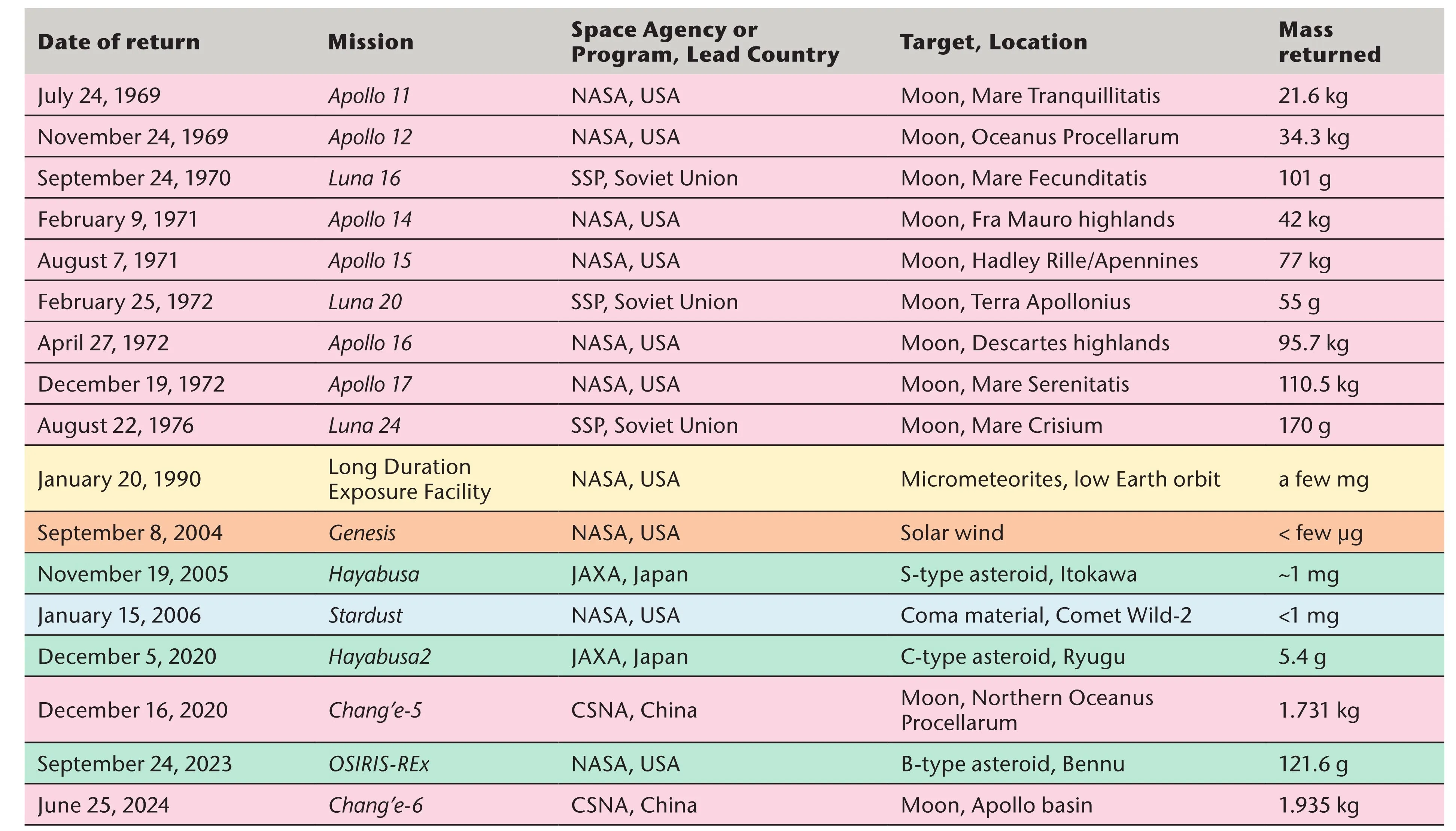
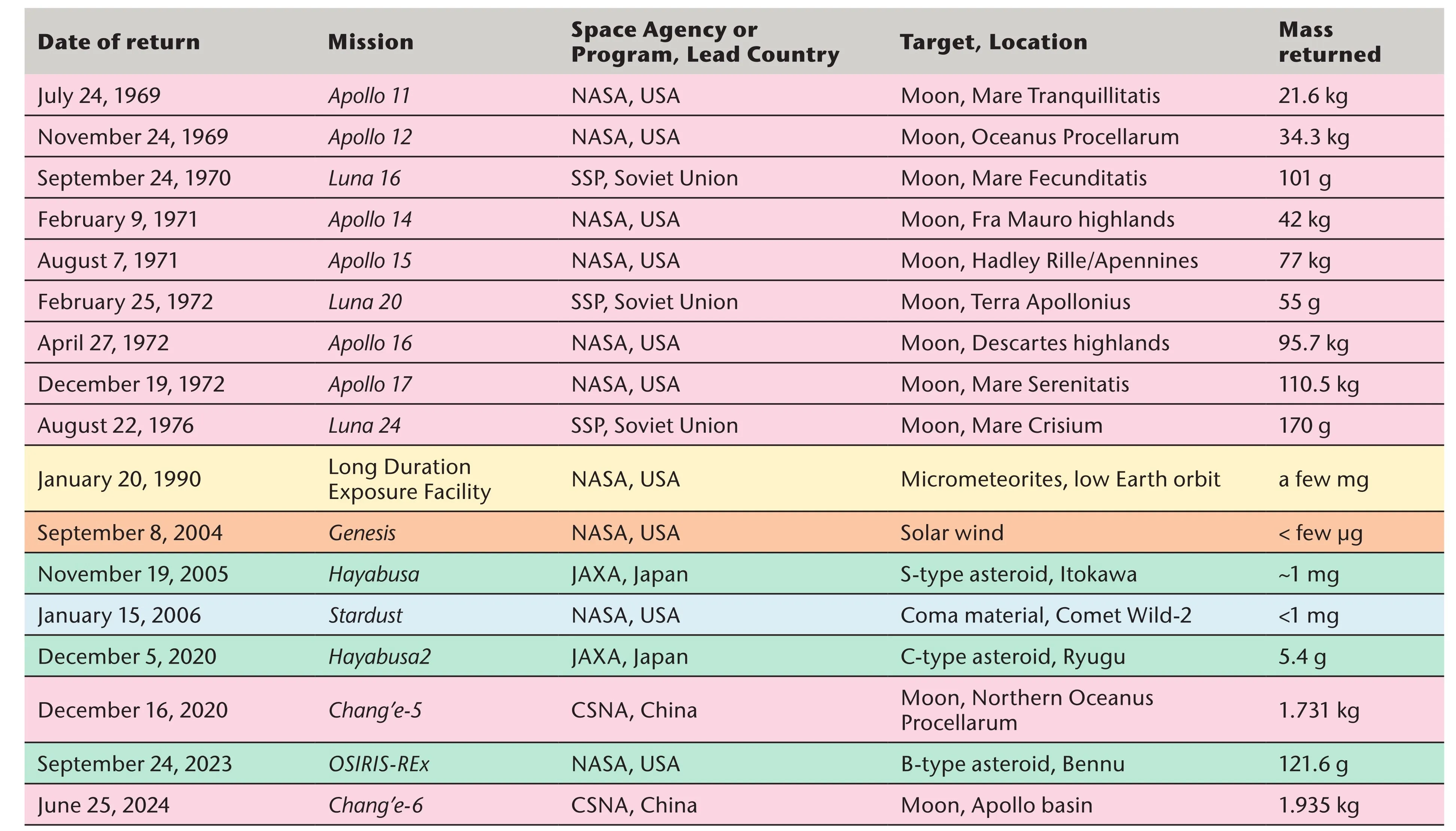
To date, international efforts have returned ~385 kg of extraterrestrial material to Earth from six different celestial bodies (Table 1). The first samples returned from space were rocks and soils collected and brought back by NASA’s Apollo 11 astronauts who visited the Moon in 1969. Although the motivation to send humans to the Moon was driven by geopolitical reasons, the scientific rationale for returning lunar materials was motivated by our collective desire to better understand the chemistry, mineralogy, age, formation, and surface history of our nearest neighbor (Joy et al. 2025 this issue). Those first samples analyzed in laboratories on Earth not only provided ground truth for the nature of the Moon, but up-ended the existing theories for how the Earth–Moon system formed and evolved (e.g., Wood et al. 1970; Joy et al. 2025 this issue). Over the years that followed, NASA landed a further five crewed Apollo missions on the lunar surface and, contemporaneously with the Soviet Union’s robotic Luna missions, returned samples from different locations across the lunar nearside (Table 1). The larger Apollo lunar landers brought with them equipment capable of traversing the surface, which meant the crew were able to return vast amounts (kgs) of material (i.e., boulder-sized) from the lunar surface, particularly during the last three Apollo missions that used the lunar roving vehicle. Additionally, the Apollo missions involved crew who were able to use human intellect and their geology training to collect a diverse range of lunar materials from numerous points of interest at each landing site. Skipping forward to 2020, the Chinese National Space Administration (CNSA) ended a 48-year drought in lunar sample return by bringing back samples from one of the youngest volcanic surfaces on the Moon via the Chang’e-5 mission (Li et al. 2022). The most recent lunar sample return mission, Chang’e-6 returned the first ever samples from the lunar farside (Fig. 1) after sampling Apollo Basin in the south polar region of the Moon (Li et al. 2024; Joy et al. 2025 this issue). While all the samples thus far returned from the Moon consist of rocks and/or soils, there is hope that future missions may return icy samples from regions that remain shaded from the Sun. The Moon is strategically placed for exploration because of its proximity to Earth but also its potential as a resource to enable further exploration of other objects in the Solar System.
In 1990, the next set of extraterrestrial materials were returned, this time not from the Moon but microscopic samples of numerous bodies captured in low Earth orbit as micrometeoroids. The Long Duration Exposure Facility (LDEF) (Zolensky 2021), was designed to provide experimental data on the long-term effects of the outer space environment. While LDEF is often overlooked as a sample return mission, it returned micrometeoroids and micrometeoroid-impacted hardware, which paved the way for further developments in sample return technologies that would benefit later missions.
The next target for sample return was NASA’s Stardust mission, which launched in 1999 to retrieve dust from the coma of a comet (Gerakines et al. 2025 this issue) and interplanetary dust. In 2001, NASA set its sights on the Sun. NASA’s Genesis mission didn’t fly into the Sun but rather sat in space at a safe distance and collected particles ejected from the Sun that make up the solar wind (Thompson et al. 2025 this issue). Because the Sun accounts for >99.9% of the mass of the Solar System, better understanding its composition is a fundamental goal of planetary science. The Genesis samples, returned in 2004, opened the door to not only better understand the composition of the solar wind itself, but also to better understand the signature it leaves behind and its effects on airless planetary surfaces (Thompson et al. 2025 this issue).
Table 1 : LIST OF MISSIONS THAT HAVE RETURNED SAMPLES FROM SPACE
Download high-resolution image

Download high-resolution image
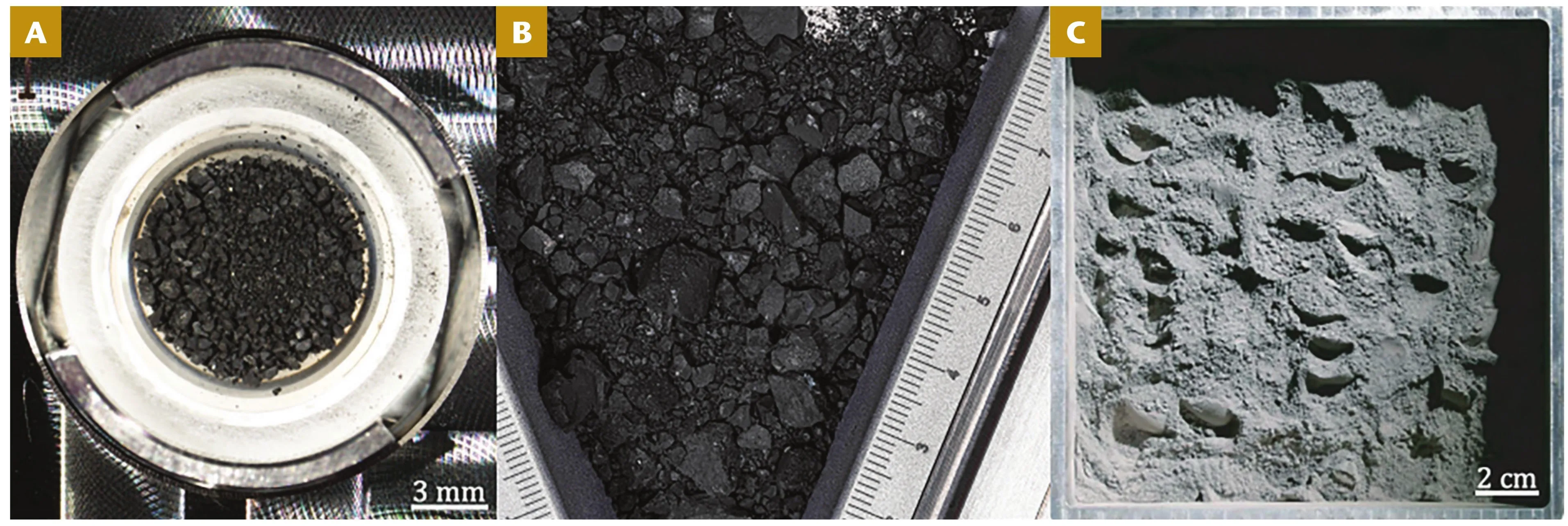
Asteroids and comets are the leftover materials from the formation of larger bodies, planets, with the distinction between the two being the relative amounts of rocky and icy material they contain. Today, millions of asteroids are located between the orbits of Mars and Jupiter (i.e., the main belt), but we do not know exactly where they formed in the early days of Solar System history. Because asteroids are the remnants of planet formation, they provide clues to the nature of the building blocks of the planets, potential links to the origin of life, as well as fundamental processes that either we cannot access directly on Earth (like core formation) or processes that are prohibited because of our protective atmosphere (like space weathering). Some asteroids lie closer to home and are called near-Earth asteroids (NEAs). Thus far, three missions have explored three separate NEAs and returned samples to Earth for study (Yabuta et al. 2025 this issue; Fig. 1). Comets are trickier as they are thought to have formed in the outer reaches of the Solar System and generally reside further from Earth than asteroids. As such, only one mission has sampled a comet, NASA’s Stardust mission, which returned samples from Comet Wild 2 in 2006 (Gerakines et al. 2025 this issue).
Meteorites – Nature’s Sample Return
Meteorites are extraterrestrial rocks that intermittently rain down from space to Earth’s surface. If a fireball is witnessed and meteorites are subsequently recovered, they are referred to as meteorite falls. If meteorites are collected with no associated fireball, they are referred to as meteorite finds. Less than 2% of meteorites are observed falls (Meteoritical Bulletin Database 2025), although with the advent of dashcams and doorbell cameras, an increasing number of falls are being observed and recorded. Meteorite falls are incredibly valuable, and they can provide information on the trajectory of the fireball, the orbit of the originating asteroid in the asteroid belt, and its spectral nature (e.g., Bland et al. 2009; Jenniskens and Devillepoix 2025). It is estimated that approximately 5,000 tons of meteoritic material (meteorites and dust) fall to Earth every year, much of which ends up in the oceans as they comprise ~70% of the Earth’s surface. In comparison to returned samples, meteorites are relatively inexpensive and numerous but CC BY. lack geologic context and are to some degree altered and/or contaminated by interaction with the terrestrial environment (humidity, rain, biology, etc.). Even meteorites collected quickly after a recent (fresh) fall can bear the hallmarks of terrestrial alteration, such as the Winchcombe meteorite that fell in the town of Winchcombe in England in February 2021. Meteorites were collected and studied quickly and still found to contain calcium sulfate, which is thought to be a product of alteration of the meteorite due to contact with the terrestrial atmosphere (Jenkins et al. 2024).
Download high-resolution image
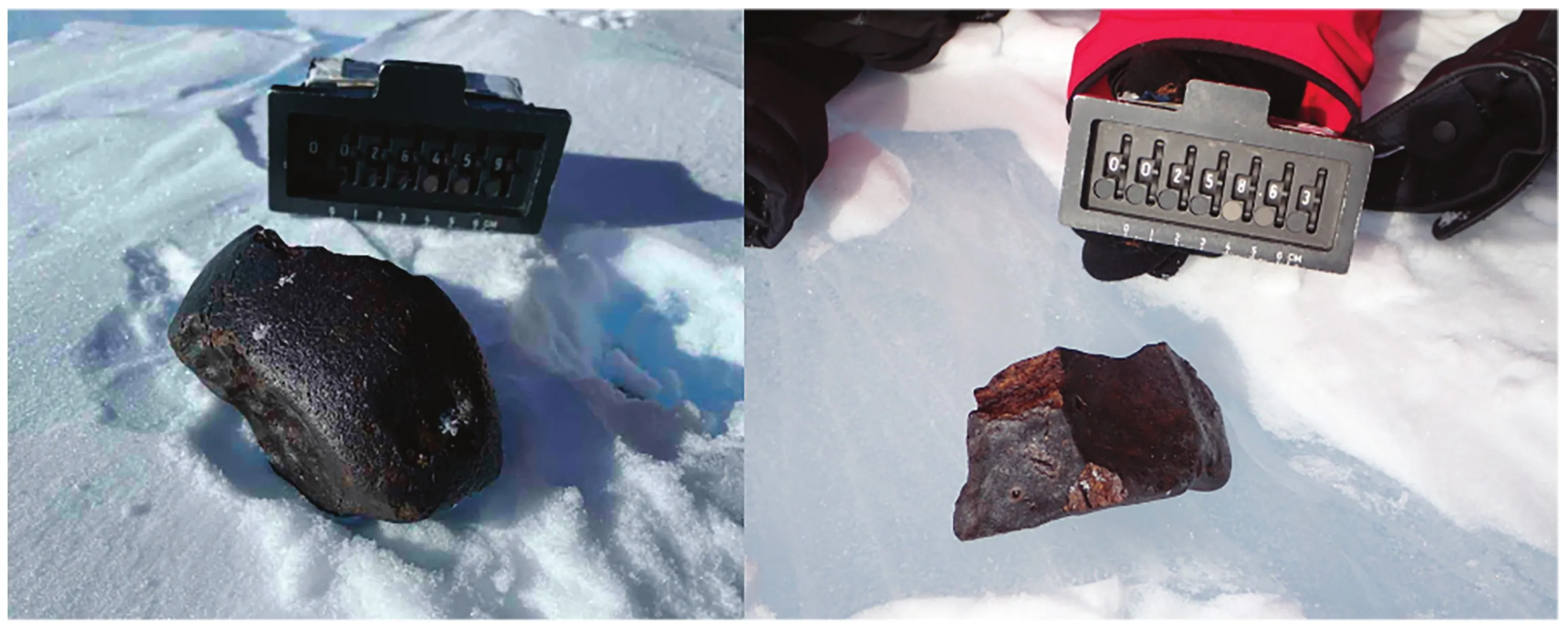
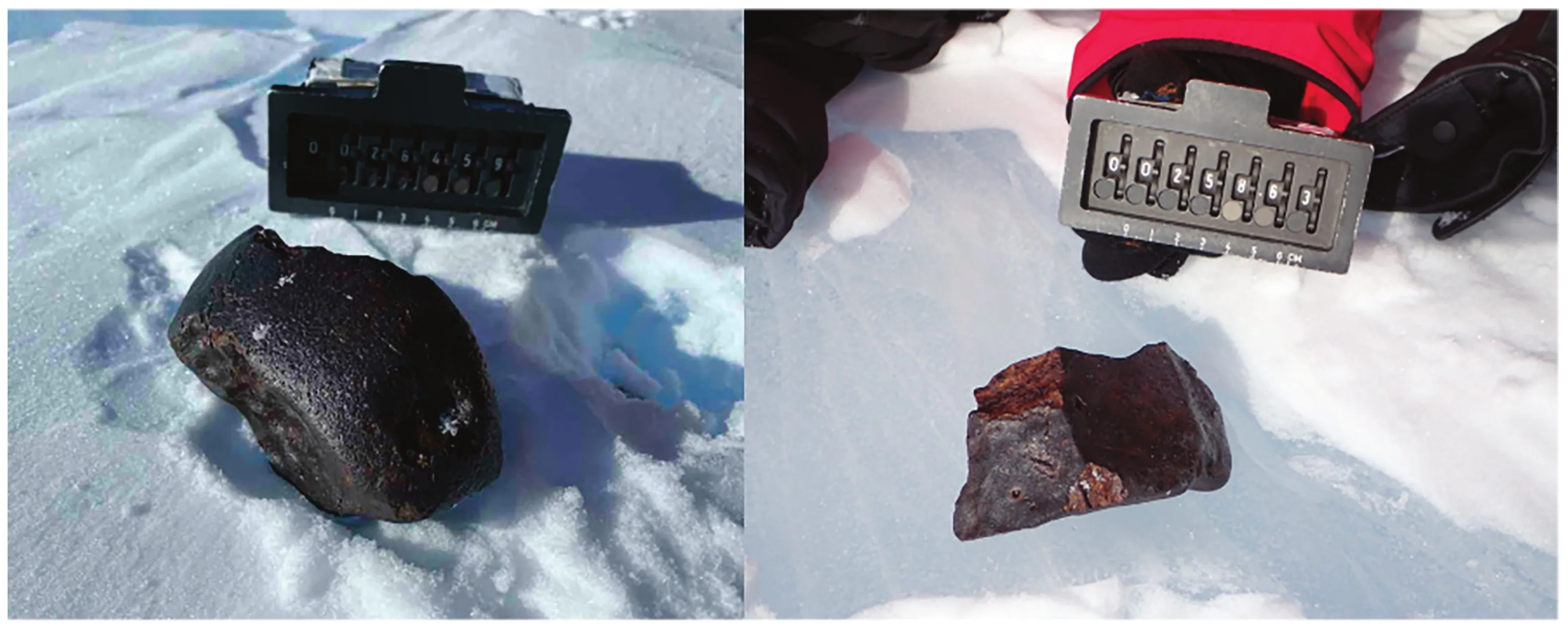
A main source of relatively unaltered meteorites are the collections that come from expeditions to the cold desert ice sheets of Antarctica. A total of >50,000 meteorites have been collected from Antarctica during expeditions such as the ANtarctic Search for METeorites (ANSMET), which is a joint venture between NASA, the National Science Foundation (NSF), and the Smithsonian Institution that sends teams of scientists from around the world to scour the ice sheets for meteorites (Fig. 2). Because of their refrigerated state, Antarctic meteorites represent the largest pool of minimally altered meteorites on Earth. In addition to ANSMET, meteorites are recovered by other international teams such as Japan’s National Institute of Polar Research, the Korean Polar Research Institute, Chinese National Antarctic Research Expedition, and EUROMET. Meteorites retrieved by expeditions to cold deserts represent Earthbased sample return collections that remain invaluable assets to the scientific community (e.g., Wadhwa et al. 2020). Outside of the icesheets of Antarctica, meteorites are regularly found during collection expeditions to other deserts, such as those in Chile, north Africa, and Australia, and more globally via camera and radar networks (e.g., Bland et al. 2009; Fries and Fries 2025).
Meteorites, like returned materials, sample bodies that either experienced melting following accretion, which led to differentiation of the body into a core, mantle, and crust, or they accreted late enough and/or were small enough not to melt and remained undifferentiated (Scott 2011). Meteorites from melted bodies represent discrete parts of their parent bodies (e.g., iron meteorites are from the cores of differentiated bodies while stony irons are from the core– mantle boundary) and some even originate from the Moon and Mars. Meteorites from unmelted bodies are referred to as chondrites, named for their abundance of chondrules— small spherules dominated by silicate minerals—and are represented in space by specific types of asteroids (Scott 2011). Interplanetary dust particles (extraterrestrial dust collected in Earth’s stratosphere) and micrometeorites (extraterrestrial dust collected on Earth’s surface) sample both asteroids and comets and potentially other larger bodies, such as the Moon and Mars.
PRESERVING THE SCIENTIFIC LEGACY OF RETURNED SAMPLES
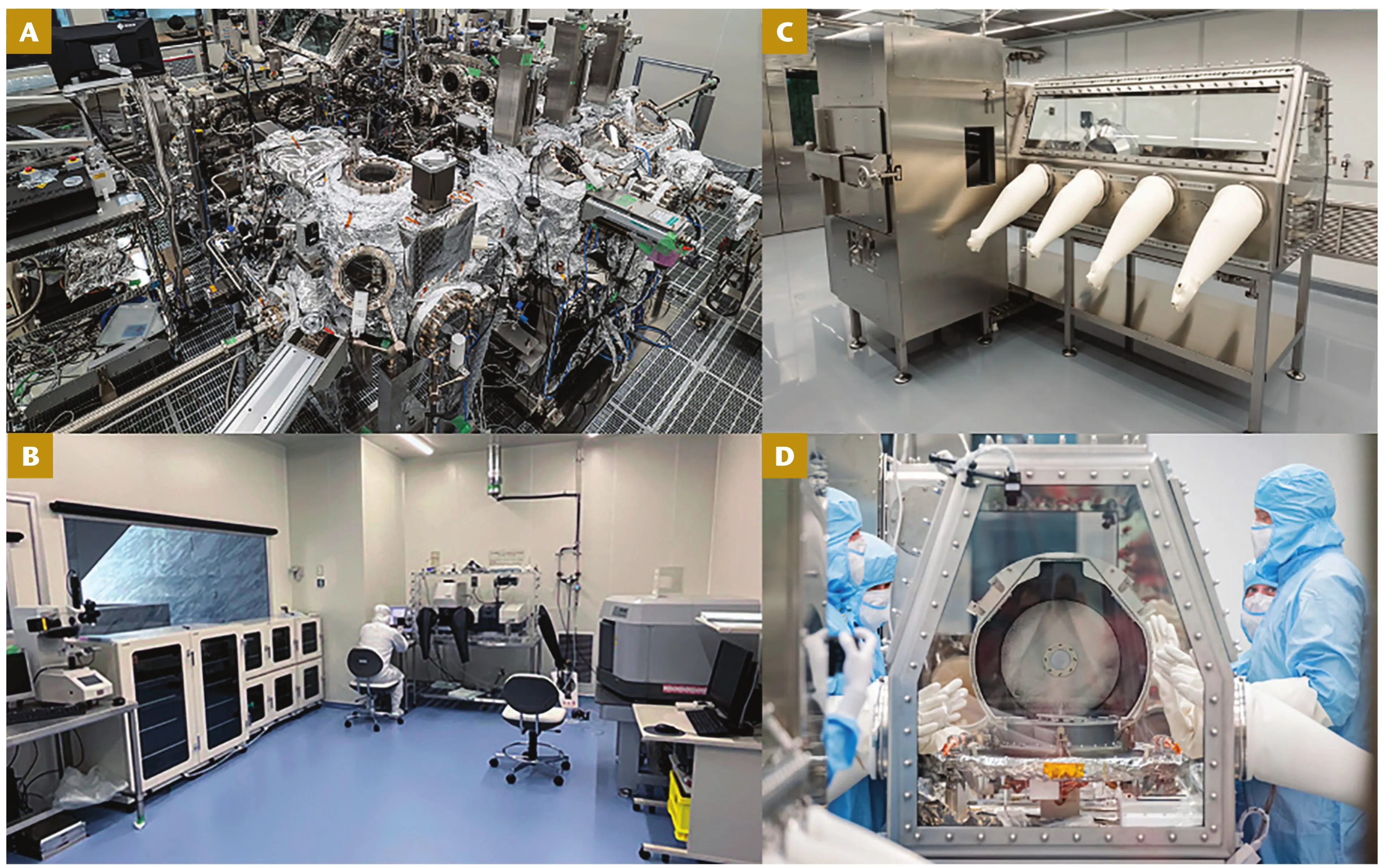
Sample return missions have preservation built into their architecture so that precious astromaterials samples are returned in as pristine a manner as possible, ensuring they are protected from interactions with terrestrial air and other sources of contamination. This is a big issue for organic- or volatile-sensitive materials such as carbon-rich samples and for the retention of salts found in some astromaterials (e.g., McCoy et al. 2025).
Download high-resolution image
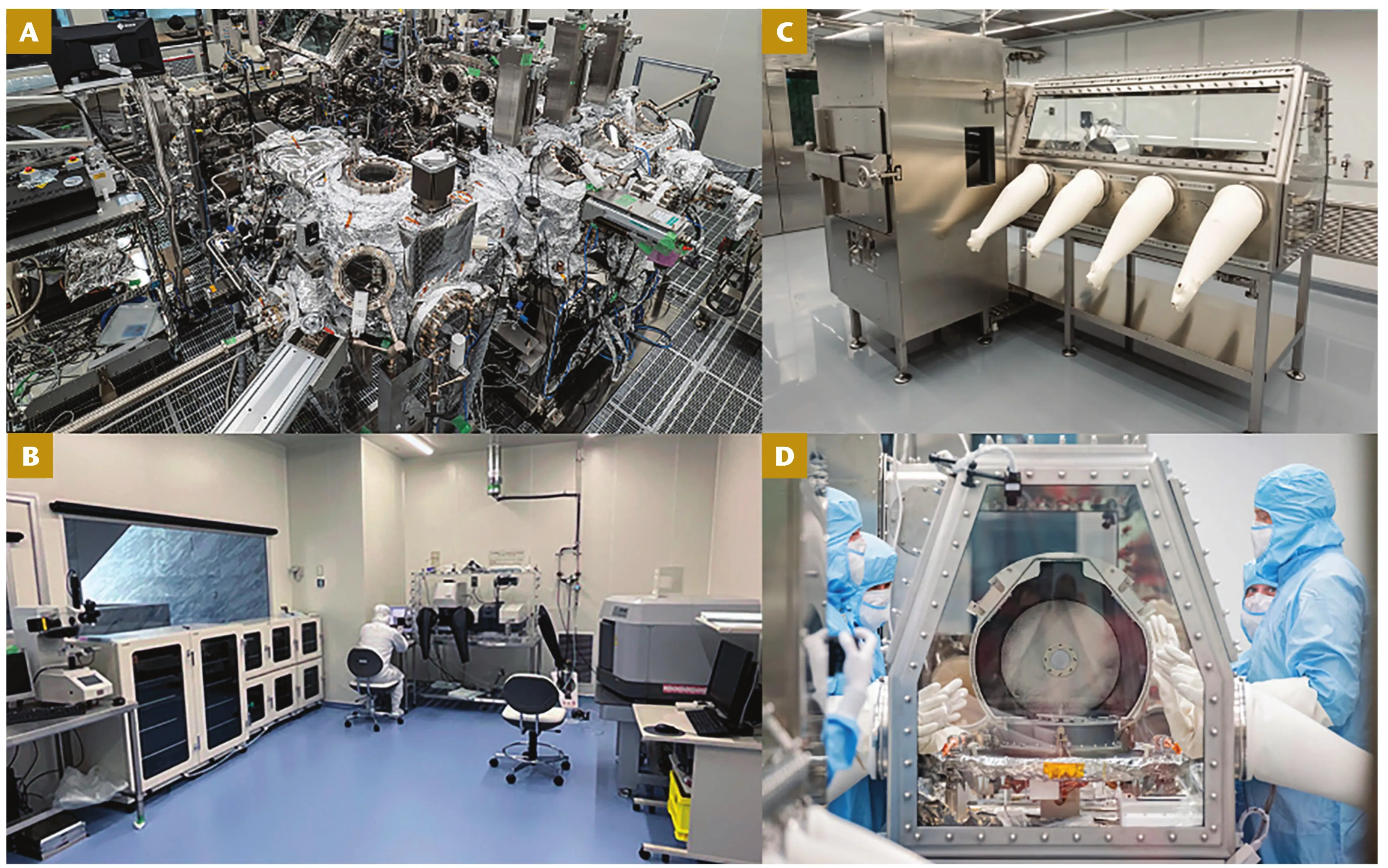
Planning for how the returned samples will be curated on Earth starts during the very earliest mission design stages. Because the sample to-be-collected and returned will touch the device in which it is collected and contained, ensuring the build materials and laboratory environment the sample will encounter are compliant with not only the scientific questions driving the sample return in the first place, but that they are also compliant with the limited materials permitted in the curation facilities (McCubbin et al. 2019). For most NASA collections, like Apollo, samples are preserved at room temperature in nitrogen gas-filled gloveboxes or cabinets. Over five decades ago, NASA had the foresight to preserve some samples brought back during the Apollo missions under other special conditions, including under helium, frozen at –20 °C and hermetically sealed. Such samples are now revealing the benefits of these storage methods, including the better preservation of organic volatiles than under nominal curation conditions (Elsila et al. 2024).
While curation of extraterrestrial materials brought back by sample return missions began with Apollo, new systems and technologies have been implemented over the last half century to safeguard samples and provide the best quality monitoring of the clean rooms in which the samples are contained. Examples of these include high-resolution imaging capabilities within nitrogen-filled gloveboxes (Fig. 3), new methods for monitoring and cleaning samples, such as swabbing for microbial materials and organics, new balances for measuring sample masses, and new methods for monitoring the flow and composition of gases with which samples come in contact (McCubbin et al. 2019). Moreover, space-returned samples can be protected for generations (c.f. Apollo) and their use closely monitored so that they are available for generations after they are returned (i.e., conservation plans).
If the benefit of long-term curation and sustained stewardship of returned samples were in doubt, one only needs to look to two examples to find their worth. The diligent decades-long curation of Apollo samples led to the paradigmshifting realization that lunar samples contain minute amounts of water (see Joy et al. 2025 this issue). This revelation followed >35 years of research that asserted the Moon was bone dry and ensuing models for the formation of the Moon assumed no water was present (e.g., review by Taylor et al. 2006). Trace amounts of water were discovered in lunar samples thanks to three factors: 1) careful storage of lunar samples under pristine conditions since their return to Earth, 2) advancement of analytical instrumentation capable of differentiating terrestrial water signals from lunar ones, and 3) curious researchers re-asking Apollo-era questions (Saal et al. 2008). We now better understand the water budget of the Moon and can factor water into models for the formation of the Earth–Moon system, differentiation, and even the addition of small bodies (asteroids and comets) to the Moon (e.g., McCubbin et al. 2023). All of this would have been impossible without the legacy of careful curation of the samples.
Arguably one of the most important meteorites to be recovered from Antarctica is Allan Hills (ALH) 84001. This meteorite was collected during an expedition in 1984 and has been curated at NASA JSC ever since in the U.S. Antarctic Meteorite collection. ALH 84001 is famous not only because it is a rare type of martian meteorite (Righter 2025; Udry et al. 2025 this issue), but it was at the center of public attention following a study that claimed to have found evidence of past martian biology (McKay et al. 1996). Those claims were subsequently challenged, yet ALH 84001 continues to provide key clues into Mars’ ancient past. Not only is ALH 84001 an old rock at ~4.1 billion years old (e.g., Terada et al. 2003), it contains carbonates that record precipitation from fluids ~200 million years after the hot rock crystallized (e.g., Borg et al. 1999), contains mineral-bound water that provides clues to the evolution of Mars’ water cycle (e.g., Barnes et al. 2020), and preserves key information about Mars’ core dynamo (e.g., Steele et al. 2023). None of the lunar or martian discoveries would have been possible without the active careful curation, monitoring, and preservation of these astromaterials and their use in scientific research.
THE NEXT FRONTIER IN SAMPLE RETURN
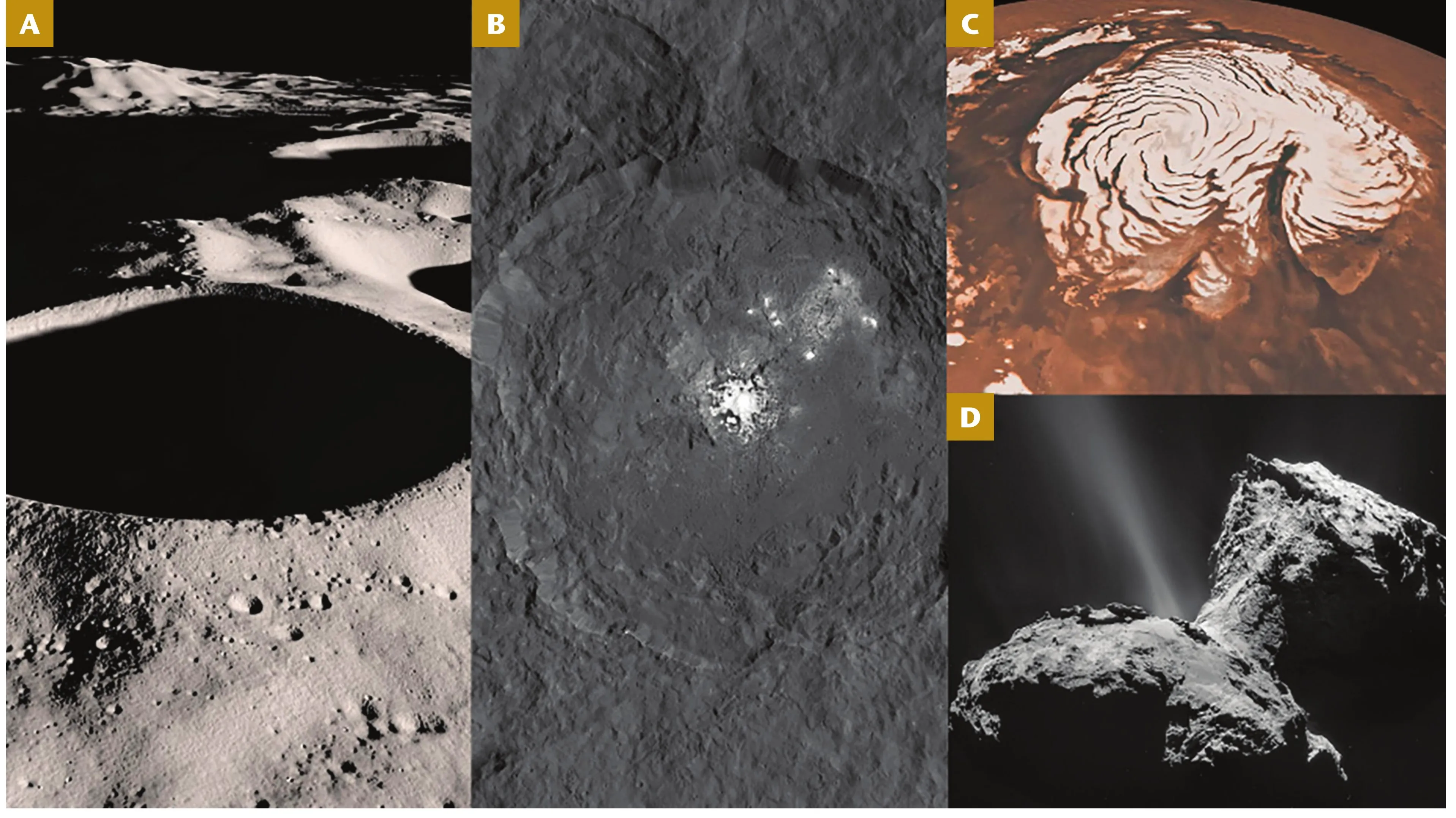
Ice is the next frontier of sample science research. Frozen volatiles (water, carbon monoxide, ammonia, methane, etc.) represent a major component of our Solar System, and yet we have never returned frozen extraterrestrial ices. That means we are missing a vital component of our Solar System’s evolution. In the recent decadal survey, ices feature prominently throughout Solar System science and numerous knowledge gaps exist in our understanding of ices in the polar caps of the Moon and Mercury, icy worlds and icy moons of the Solar System and other ice-rich bodies, like comets in the Kuiper belt and Oort cloud (Fig. 4; National Academies of Sciences, Engineering, and Medicine 2023). Not only will studying ices and volatile material brought back from the polar regions of various planets, icy moons, and comets provide important information about the bodies from which they sampled, but they are also vital to understanding how volatile elements made their way into the inner Solar System and seeded the inner planets, including the early Earth with prebiotic chemistry (Gerakines et al. 2025 this issue; Yabuta et al. 2025 this issue). In addition to the scientific benefit of cold sample return, many nations have expressed interest in the usefulness of implementing and exploring research utilization on planetary surfaces, such as the polar regions of the Moon (e.g., Crawford et al. 2023). To best understand those deposits and how to use them efficiently, one needs to know what they are made of, yet there currently exist many knowledge gaps with respect to the abundance distribution, lateral and spatial variability, speciation, etc., of volatilebearing species on the lunar surface.
There are, however, several obstacles to this next adventure. While different factions of the scientific community routinely study samples that are cold (~250 K) or cryogenic (<100 K), including biological sciences, materials science, and polar sciences, the planetary science community at large is not yet equipped or experienced to study these materials. This largely results from the nature of the samples that have historically been available for study and the current capabilities of curation and research technologies.
Download high-resolution image
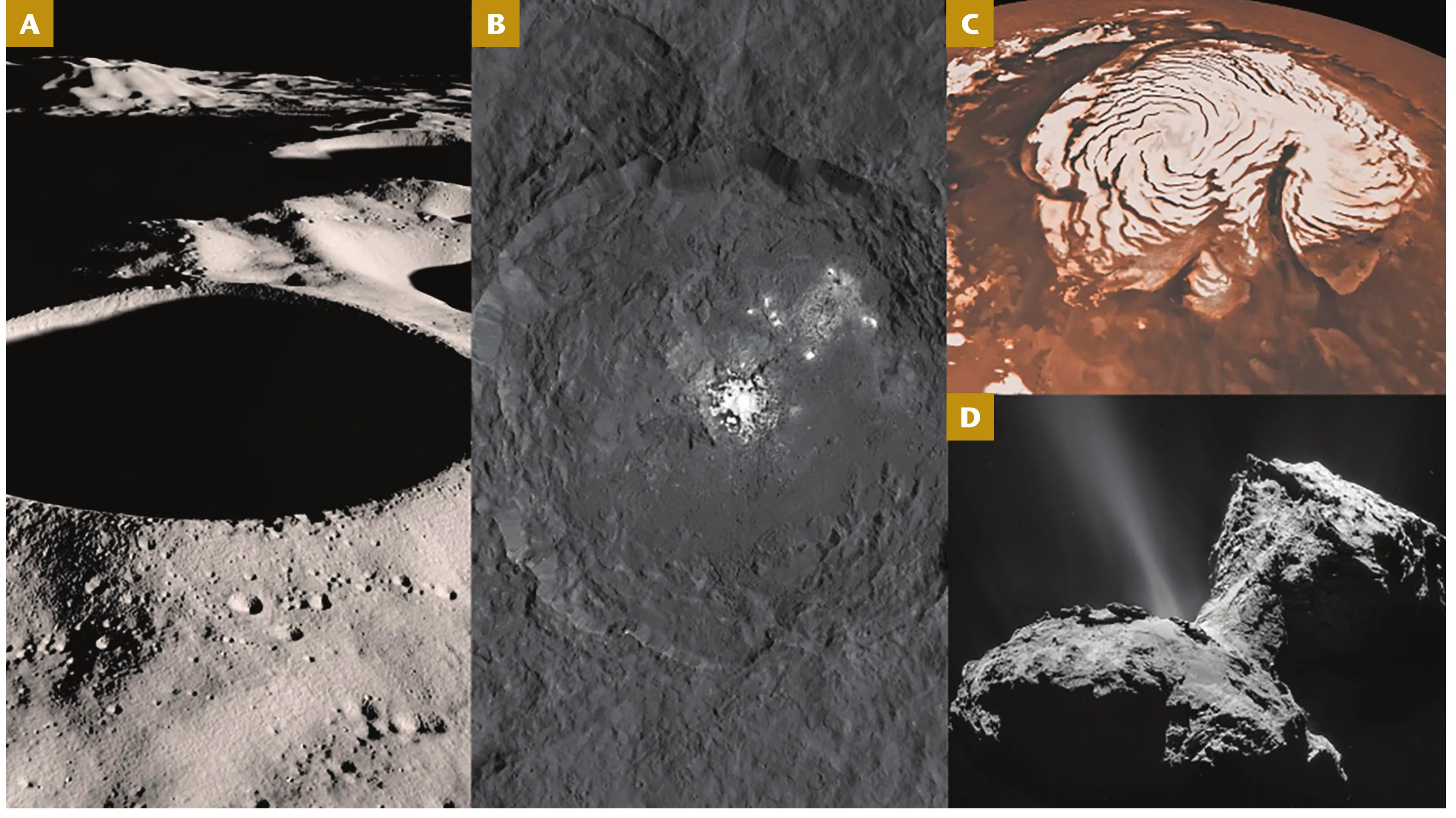
Programmatic support and foresight to invest in the equipment, the expertise, instrumentation, and curation facilities are necessary to bring back these priceless extraterrestrial ices and curate them—not just in the immediate future, but also the long-term ability to retain them in their frozen, unaltered states for generations to come. Such an endeavor will take time and, in the interim, sample return missions sampling ices and returning volatile gases will constitute a ground breaking step in understanding the nature of planetary ices (Gerakines et al. 2025 this issue). Ice is not just an important piece of one particular area of planetary science—it represents an unexplored frontier. An intimate understanding of planetary ices will enable us to piece together many different types of planetary science stand the most primordial objects in our Solar System, like comets that have gone largely unchanged since they formed ~4.56 billion years ago, but all the way through to ice that is currently being sequestered in the polar regions of the Moon and Mercury through impact and gardening via space weathering. Thus, embarking on capture, return, curation, and analysis of planetary ices will be challenging but will pay dividends in ways that touch all of planetary science and astrobiology.
ACKNOWLEDGMENTS
JJB acknowledges support from the Arizona Technology and Research Initiative Fund (TRIF) and NASA’s Early Career Award (#80NSSC20K1087). The authors thank Drs. Emma Bullock and Mike Zolensky for constructive reviews.
REFERENCES
Barnes JJ and 10 coauthors (2020) Multiple early-formed water reservoirs in the interior of Mars. Nature Geoscience 13: 260-264, doi: 10.1038/s41561-020-0552-y
Bland PA and 17 coauthors (2009) An anomalous basaltic meteorite from the innermost main belt. Science 325: 1525-1527, doi: 10.1126/science.1174787
Borg LE and 5 coauthors (1999) The age of the carbonates in Martian meteorite ALH84001. Science 286: 90-94, doi: 10.1126/science.286.5437.90
Crawford IA and 16 coauthors (2023) Lunar resources. Reviews in Mineralogy and Geochemistry 89: 829-868, doi: 10.2138/rmg.2023.89.19
Elsila JE and 8 coauthors (2024) Soluble organic compounds and cyanide in Apollo 17 lunar samples: origins and curation effects. Journal of Geophysical Research: Planets 129: e2023JE008133, doi: 10.1029/2023JE008133
Fries M, Fries J (2025) Weather radar detection and analysis of bolides in the day or night. Advances in Astronomy 2025: 3041760, doi: 10.1155/aa/3041760
Gerakines PA, Milam SN, Wozniakiewicz PJ (2025) Ice to meet you: sampling cold bodies. Elements 21: 354-357
Jenkins LE and 7 coauthors (2024) Winchcombe: an example of rapid terrestrial alteration of a CM chondrite. Meteoritics & Planetary Science 59: 988-1005, doi: 10.1111/maps.13949
Jenniskens P, Devillepoix HAR (2025) Review of asteroid, meteor, and meteorite-type links. Meteoritics & Planetary Science 60: 928-973, doi: 10.1111/maps.14321
Joy K, Barnes JJ, Che X, Jolliff B (2025) It’s not just a phase: over 50 years of lunar sample science. Elements 21: 327-332
Li C and 20 coauthors (2022) Characteristics of the lunar samples returned by the Chang’E-5 mission. National Science Review 9: nwab188, doi: 10.1093/nsr/ nwab188
Li C and 18 coauthors (2024) Nature of the lunar far-side samples returned by the Chang’E-6 mission. National Science Review 11: nwae328, doi: 10.1093/nsr/ nwae328
McCoy TJ and 65 coauthors (2025) An evaporite sequence from ancient brine recorded in Bennu samples. Nature 637: 1072-1077, doi: 10.1038/s41586-024-08495-6
McCubbin FM and 16 coauthors (2019) Advanced curation of astromaterials for planetary science. Space Science Reviews 215: 48, doi: 10.1007/s11214-019-0615-9
McCubbin FM and 15 coauthors (2023) Endogenous lunar volatiles. Reviews in Mineralogy and Geochemistry 89: 729-786, doi: 10.2138/rmg.2023.89.17
McKay DS and 8 coauthors (1996) Search for past life on Mars: possible relic biogenic activity in Martian meteorite ALH84001. Science 273: 924-930, doi: 10.1126/science.273.5277.924
Meteoritical Bulletin Database (2025) https://www.lpi.usra.edu/meteor/. Accessed 14 May 2025
National Academies of Sciences, Engineering, and Medicine (2023) Origins, Worlds, and Life: Planetary Science and Astrobiology in the Next Decade. The National Academies Press, 56 pp, doi: 10.17226/27209
Righter K (2025) The influence of ALH 84001 on our understanding of the origin and evolution of Mars. Meteoritics & Planetary Science 60: 74-102, doi: 10.1111/ maps.14289
Saal AE and 5 coauthors (2008) Volatile content of lunar volcanic glasses and the presence of water in the Moon’s interior. Nature 454: 192-195, doi: 10.1038/ nature07047
Scott ERD (2011) Meteorites: an overview. Elements 7: 47-48, doi: 10.2113/gselements.7.1.47
Steele SC and 7 coauthors (2023) Paleomagnetic evidence for a long-lived, potentially reversing martian dynamo at ~3.9 Ga. Science Advances 9: eade9071, doi: 10.1126/sciadv.ade9071
Taylor SR, Pieters CM, MacPherson GJ (2006) Earth-Moon system, planetary science, and lessons learned. Reviews in Mineralogy and Geochemistry 60: 657-704, doi: 10.1515/9781501509537-011
Terada K, Monde T, Sano Y (2003) Ion micro-probe U‐Th‐Pb dating of phosphates in martian meteorite ALH 84001. Meteoritics & Planetary Science 38: 1697-1703, doi: 10.1111/j.1945-5100.2003.tb00009.x
Thompson MS, Jurewicz A, Noguchi T (2025) Space weathering: clear with a chance of solar wind and micrometeoroid showers. Elements 21: 346-351
Udry A, Ostwald AM, Usui T (2025) Seeing red: retrieving rocks from Mars and Phobos. Elements 21: 333-339
Wadhwa M, McCoy TJ, Schrader DL (2020) Advances in cosmochem-istry enabled by Antarctic meteorites. Annual Reviews in Earth and Planetary Science 48: 233-258, doi: 10.1146/annurev-earth-082719-055815
Wood JA (1970) Petrology of the lunar soil and geophysical implications. Journal of Geophysical Research 75: 6497-6513, doi: 10.1029/JB075i032p06497
Yabuta H, McCoy TJ, Alexander CMO’D (2025) One’s trash is another’s treasure: cosmic rubble piles. Elements 21: 340-345
Zolensky M (2021) The long duration exposure facility—a forgotten bridge between Apollo and Stardust. Meteoritics & Planetary Science 56: 900-910, doi: 10.1111/maps.13656