


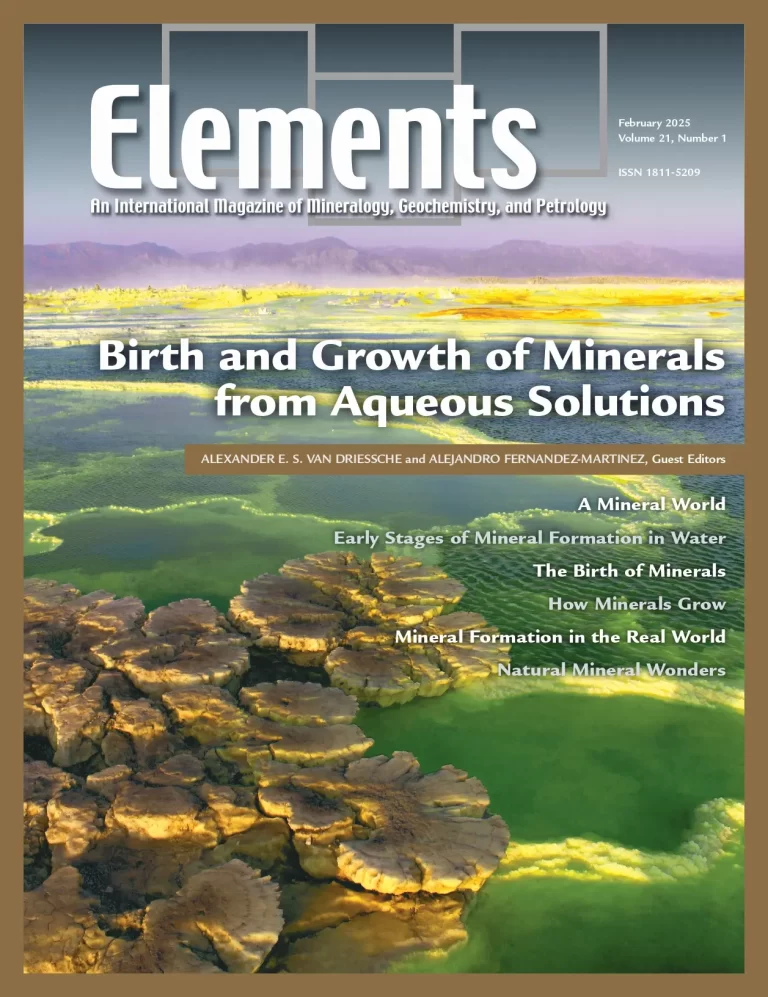
February 2025 – Volume 21 Number 1
GUEST EDITORS
Alexander E. S. Van Driessche and Alejandro Fernandez-Martinez
PRINCIPAL EDITOR
Sumit Chakraborty
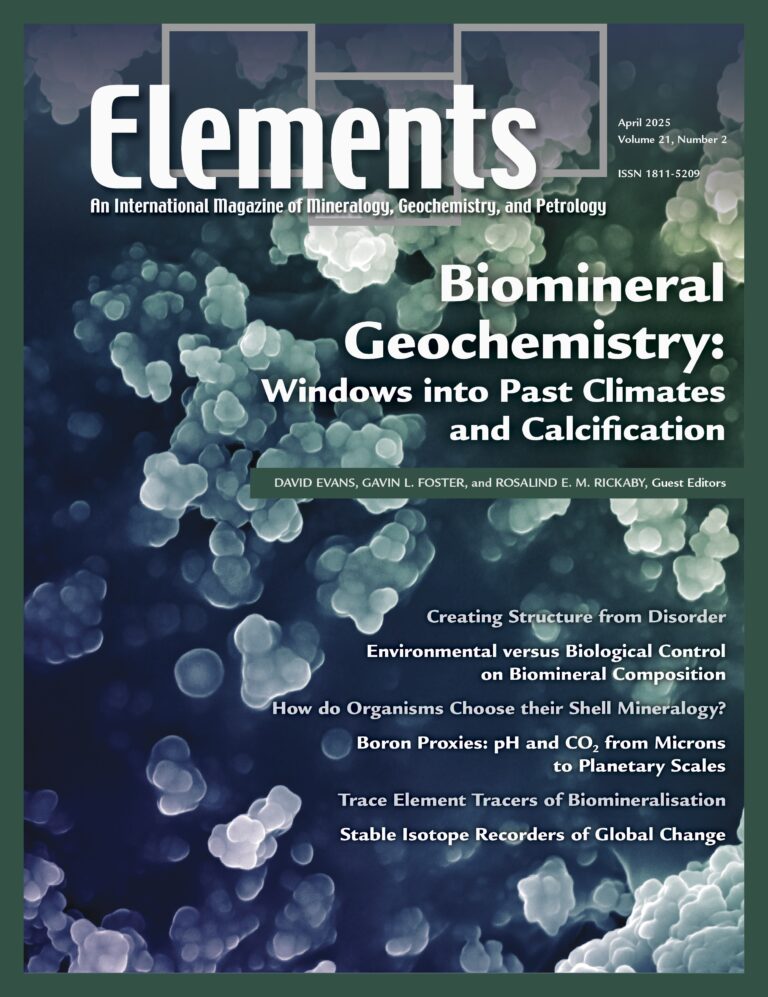
April 2025 – Volume 21 Number 2
GUEST EDITORS
David Evans, Gavin L. Foster, and Rosalind E. M. Rickaby
PRINCIPAL EDITOR
Sumit Chakraborty
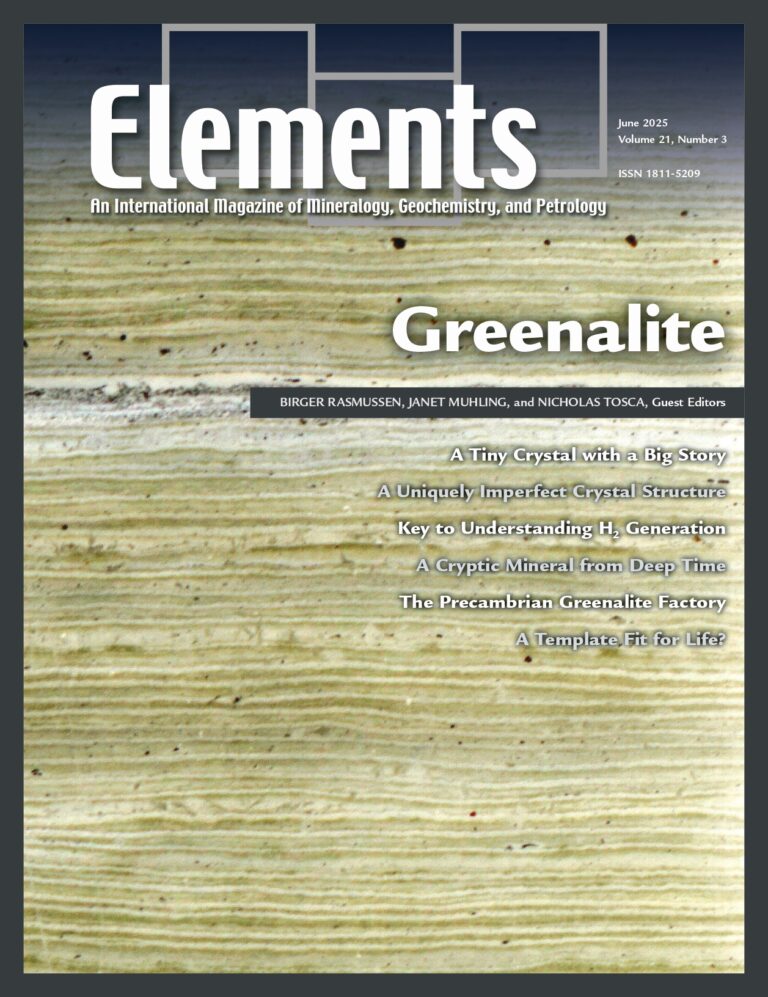
June 2025 – Volume 21 Number 3
GUEST EDITORS
Birger Rasmussen, Janet Muhling, and Nicholas Tosca
PRINCIPAL EDITOR
Tom Sisson
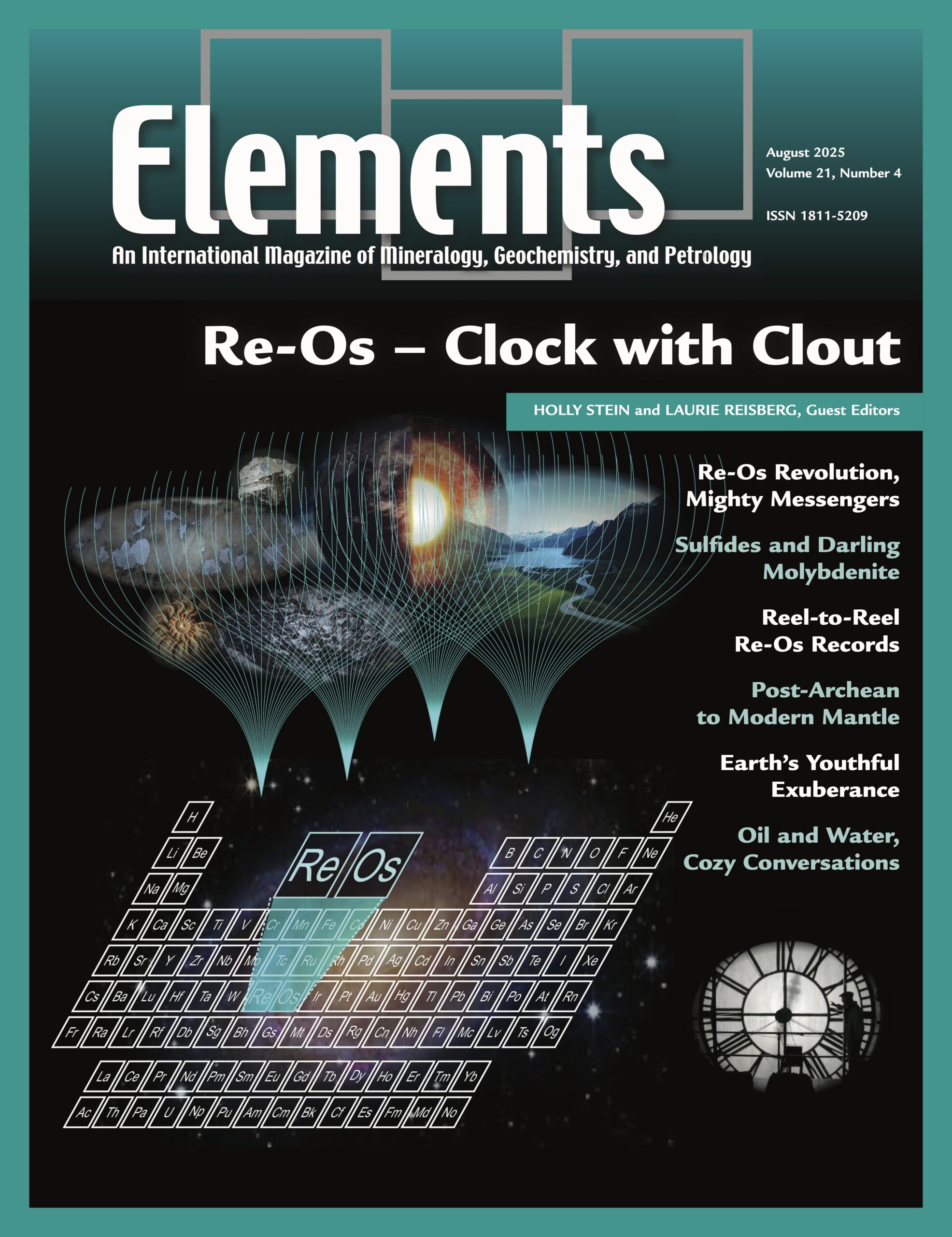
August 2025 – Volume 21 Number 4
GUEST EDITORS
Holly Stein and Laurie Reisberg
PRINCIPAL EDITOR
Janne Blichert-Toft
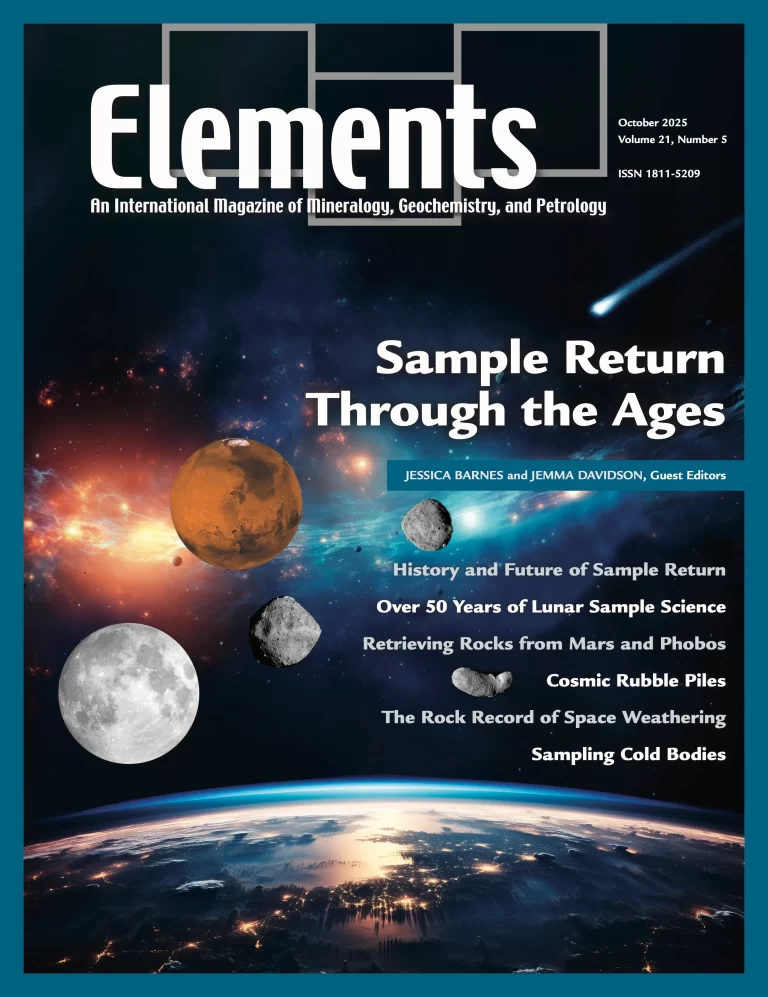
October 2025 – Volume 21 Number 5
GUEST EDITORS
Jessica Barnes and Jemma Davidson
PRINCIPAL EDITOR
Sumit Chakraborty
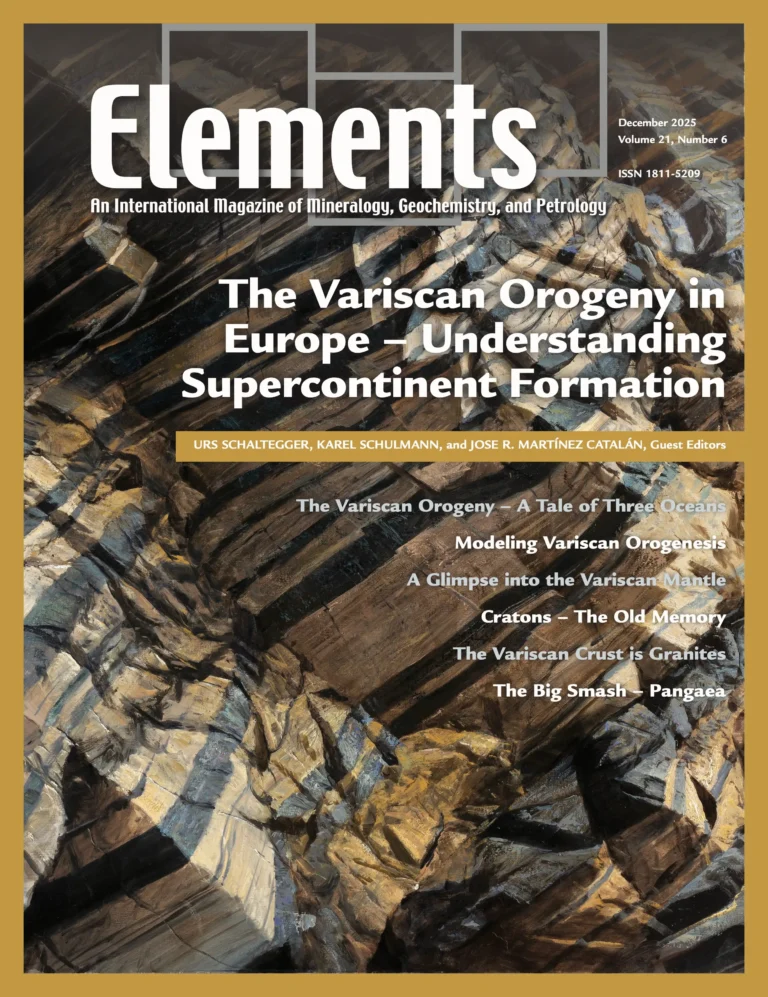
December 2025 – Volume 21 Number 6
GUEST EDITORS
Urs Schaltegger, Karel Schulmann, and Jose R. Martínez Catalán
PRINCIPAL EDITOR
Tom Sisson
April 2025 – Volume 21 Number 2
GUEST EDITORS
David Evans, Gavin L. Foster, and Rosalind E. M. Rickaby
PRINCIPAL EDITOR
Sumit Chakraborty
Marine calcium carbonate biominerals, especially the shells and skeletons produced by molluscs, corals, and the immeasurably numerous calcifying phytoplankton and zooplankton, are of both societal and environmental importance for two key reasons. Firstly, the mineralised remains of these organisms are one of the largest longterm sinks of carbon on Earth’s surface. Secondly, and perhaps more practically, the (trace) element and isotopic composition of these biominerals probably represents the most widely applied tool for quantitatively reconstructing past environmental conditions on timescales from days to millions of years. It has been known for some time that the processes of biomineralisation imprint on these ‘proxy’ systems, shifting their behaviour away from thermodynamic equilibrium, such that they typically require empirical calibration to an environmental variable of interest. The generally poor understanding of the physics and chemistry of these biomineralisation processes therefore introduces uncertainty both into our palaeo reconstructions and provides significant limits to our ability to accurately predict the future response of the marine carbon cycle to anthropogenic ocean acidification. However, it has recently become apparent that this biological imprint also offers a unique opportunity—skeletal and shell geochemical information can be leveraged to constrain various aspects of physiology including the biomineralisation process to noninvasively understand the organisms themselves. In this issue of Elements, a series of articles showcase how lowtemperature proxy systems can offer insights into both paleoenvironmental change, as well as the mechanistic processes involved in biomineral formation. Ultimately, our aim is to highlight how the two fields could be more closely connected via research into the controls on biomineral chemistry.
Greenalite [Fe3Si2O5(OH)4] is an Fe(II)-serpentine mineral that was first identified in Lake Superior iron formations over 100 years ago, but its true extent is only now being recognized with the advent of in-situ nanoscale techniques. In the last decade, nanoparticulate greenalite has emerged as a prime candidate in the deposition of early Precambrian banded iron formations (BIFs). Together with experiments and modeling, new light is being shed on greenalite-forming conditions and environments, challenging long-held models that argue that BIFs were deposited from seawater as biologically oxidized phases of Fe. Greenalite–hisingerite minerals also occur as alteration products in meteorites, and recent in-situ and orbital data imply that Fe-serpentines are major products of serpentinization systems on early Mars, potentially recording widespread H2 production.
The Re-Os radiometric isotope system features two of silicate Earth’s rarest elements. This couple’s unique combination of siderophile, chalcophile, and organophile properties allows it to play an outsized role, both as a geochronometer and as a source tracer, answering questions that cannot be addressed by other radiometric systems. Successive analytical breakthroughs have led to increasingly challenging and original applications that are reviewed in this issue of Elements. The Re-Os system tells us about Earth’s accretion and the evolution of the convecting and lithospheric mantle over time. Novel applications to the Earth’s crust include dating molybdenite and a host of other sulfides and oxides, deducing paleoenvironment and paleoclimate from organic material in shales, balancing continental versus oceanic–hydrothermal input to seawater, and reconstructing complex petroleum systems.
This thematic issue of Elements provides an overview of the mineralogical, petrological, and geochemical information learned about different planetary bodies through the study of extraterrestrial samples retrieved by both crewed and robotic missions. Sample return missions provide unique insights into the geological and chemical histories of a wide variety of celestial bodies, from the Sun and Moon to asteroids and planets. Each article—themed to a specific planetary body (e.g., the Moon, Mars) or series of bodies (e.g., asteroids, comets)—summarizes a previous mission or series of missions and their sample collection(s), and relevant current/future missions, and mission concepts. This issue focuses on the scientific benefits and discoveries gained or promised by sample return missions.
The Variscan orogen formed between 380 and 300 million years ago through several accretionary and collisional cycles, culminating with the construction of the Pangea supercontinent. This process occurred via sequential opening and closure of oceanic basins, synchronous detachment of Gondwana derived continental ribbons, and their outboard amalgamation onto the Laurussia margin. The Variscan orogen is rather unique compared with other orogenic belts on Earth: its overthickened and dominantly magmatic crust in the central belt, surprisingly minor mantle involvement in the magmatic and geodynamic processes, coherent and pulsed magmatism along the collision suture, and its complex accretionary history. Because its final product, Pangea, is the youngest and best-understood supercontinent on Earth, the Variscan orogeny offers clues for understanding the mechanisms of supercontinent formation.