



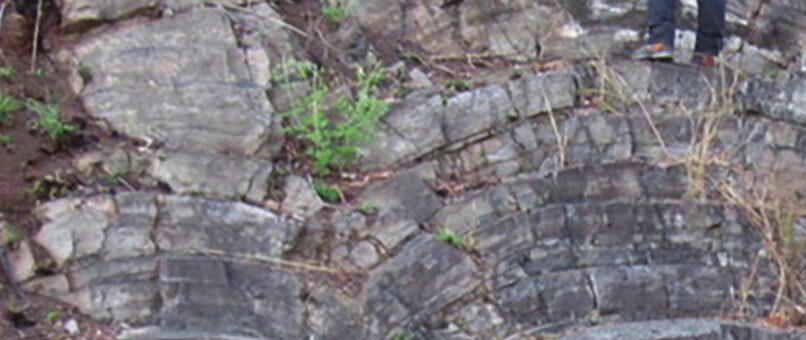
Exploring the Stable Isotope Record of Stromatolites
Stromatolites rank among the most productive ecosystems on Earth, with extremely high rates of element cycling, especially carbon, oxygen, nitrogen, iron, and sulfur. Their study provides critical insights into early microbial life evolution, environmental conditions, and associated biogeochemical cycling. Specifically, carbon, nitrogen, and sulfur isotopes can be used to assess metabolic activities of microbial communities, including those that may regulate the formation and preservation of modern and ancient stromatolites, such as photosynthesis, nitrogen fixation, and sulfate reduction. Moreover, while Precambrian stromatolites’ isotopic signals can record microbial communities that both influence and adapt to changing major redox conditions such as the Great Oxidation Event, local and secondary processes can open a window onto microbial evolution such as the early evolution of bacterial sulfate reduction.
Exploring the Stable Isotope Record of Stromatolites Read More »