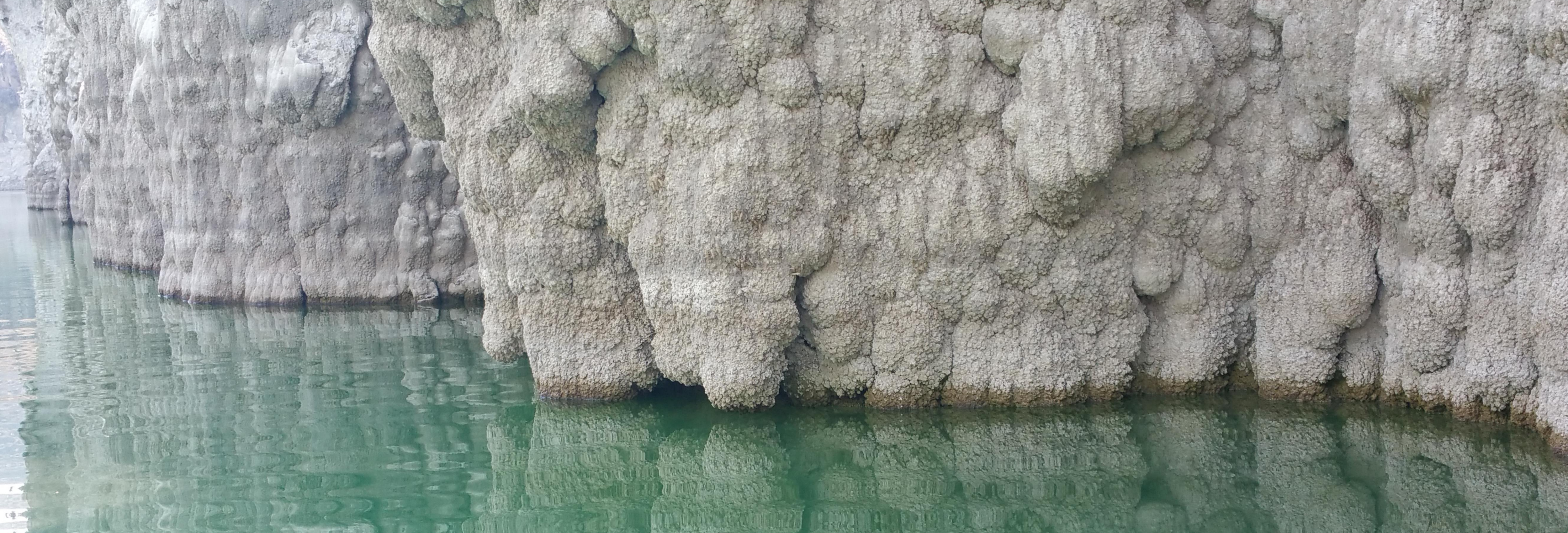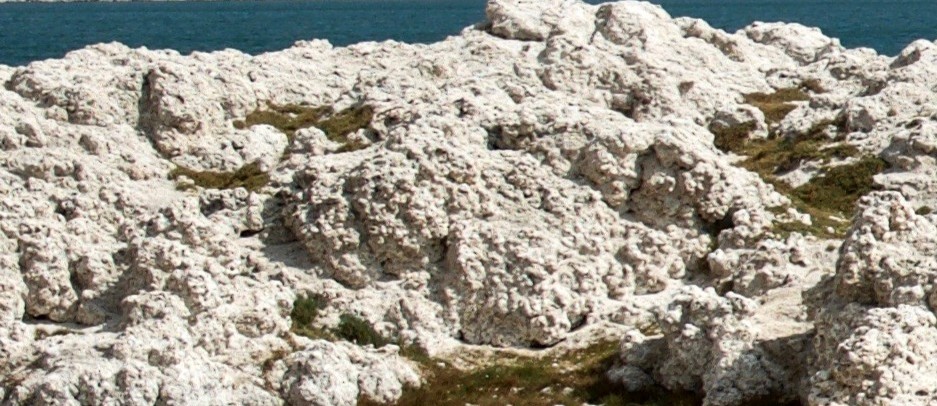
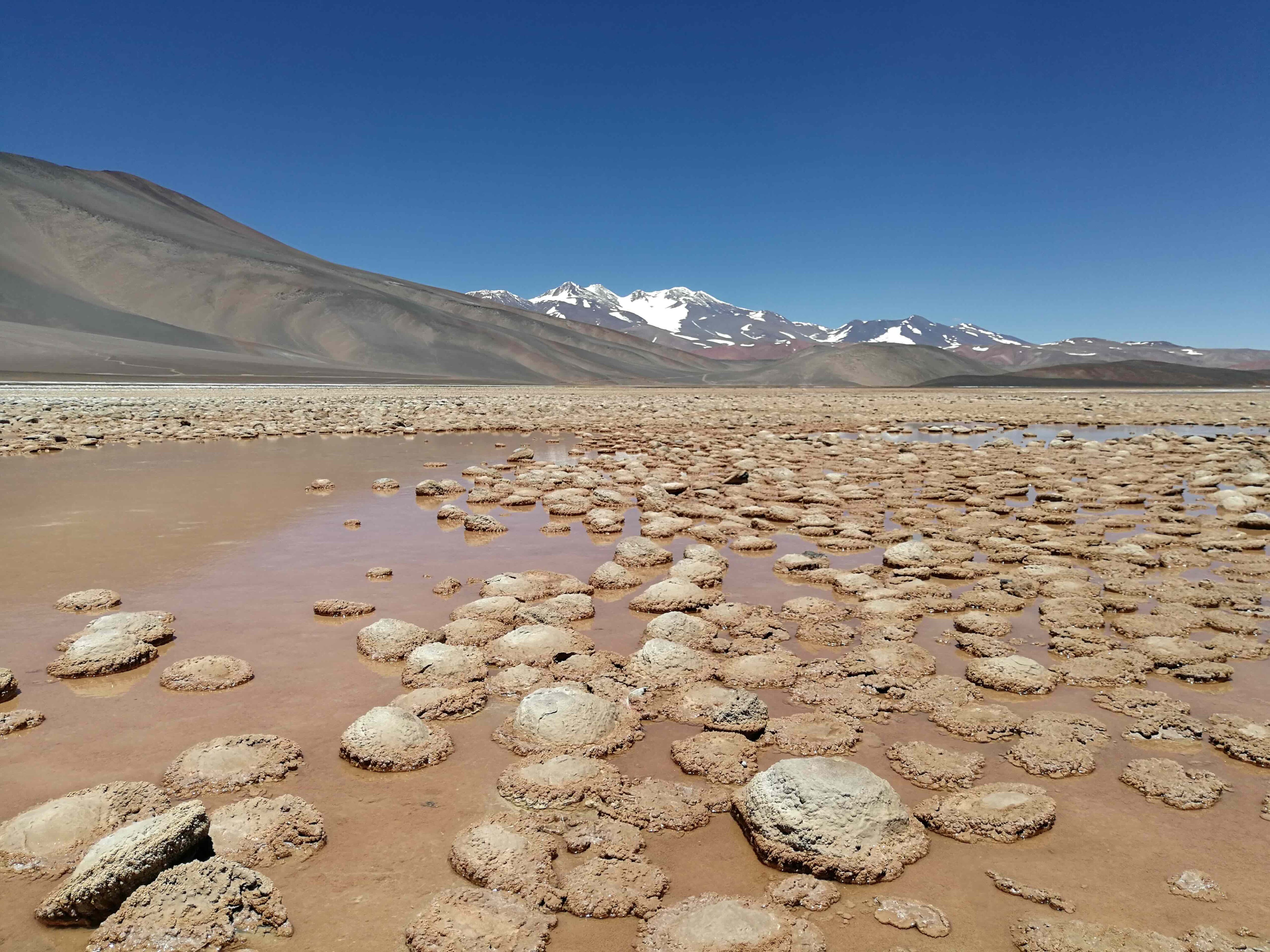
Stromatolites and Other Microbialites

Stromatolites as Recorders of Major Oxygenation Events and Biogeochemical Metal Cycling through Earth’s History

Microbial carbonates are found throughout most of the geological record and have formed under varying atmospheric and hydrospheric conditions. Recent advancements in analytical techniques have enabled the use of novel, highly promising geochemical proxies, such as metals and their isotopes, to reconstruct ancient microbial habitats. Here, we review recent discoveries and the benefits of applying redox-sensitive and bioessential metal proxies in microbialites, aiming to reconstruct Earth’s oxygenation and determine the availability of dissolved metals in past microbial habitats. These findings contribute to a better understanding of the evolution of microbial life and its ecological niches on Earth through time. Moreover, they offer a potential blueprint for the search for extra-terrestrial life, thereby informing ongoing and future planetary studies.
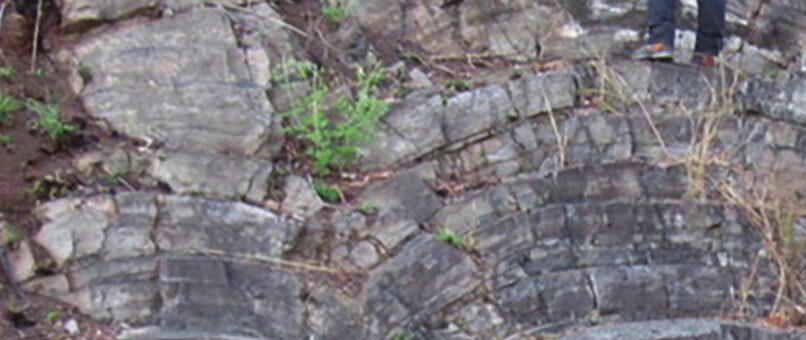
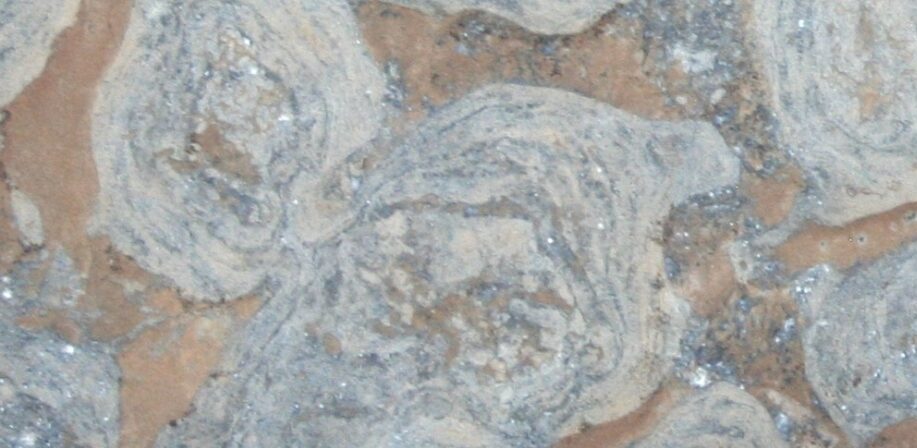
Stromatolites as Recorders of Major Oxygenation Events and Biogeochemical Metal Cycling through Earth’s History Read More »

Exploring the Stable Isotope Record of Stromatolites

Stromatolites rank among the most productive ecosystems on Earth, with extremely high rates of element cycling, especially carbon, oxygen, nitrogen, iron, and sulfur. Their study provides critical insights into early microbial life evolution, environmental conditions, and associated biogeo- chemical cycling. Specifically, carbon, nitrogen, and sulfur isotopes can be used to assess metabolic activities of microbial communities, including those that may regulate the formation and preservation of modern and ancient stromatolites, such as photosynthesis, nitrogen fixation, and sulfate reduc- tion. Moreover, while Precambrian stromatolites’ isotopic signals can record microbial communities that both influence and adapt to changing major redox conditions such as the Great Oxidation Event, local and secondary processes can open a window onto microbial evolution such as the early evolution of bacterial sulfate reduction.

Exploring the Stable Isotope Record of Stromatolites Read More »

Stromatolites Through Earth’s Early History

Stromatolites are widespread in Precambrian sedimentary successions and provide important insights into life, environmental processes, and surface conditions on the young Earth. Shaped by interactions among microbial processes, sediment deposition, and mineral precipitation, stromato- lites have a record spanning most of Earth’s history and are sensitive indicators for past hydrodynamic conditions and water chemistry. Significant variations in the composition, texture, and structure of stromatolites and associated sedimentary facies occur throughout the geological record, constraining the evolution of surface conditions. The ability of microbial communities to build large carbonate platforms in turn actively influenced the Precambrian hydro- sphere and atmosphere. Stromatolites are direct, visible evidence of microbial ecological success that shaped the Precambrian Earth’s surface.

Stromatolites Through Earth’s Early History Read More »

Microbialite-Associated Microbial Communities, Present and Past

This chapter describes the biological composition of modern microbialites, aiming at identifying the major microbial actors that may contribute to their mineralization and growth. Despite the vast diversity in community composition, environmental conditions, and dominant mineral phases, certain key components emerge as critical drivers of these processes. Additionally, the dominance of specific microbial populations can serve as a proxy for identifying key metabolisms involved in mineralization, such as oxygenic and anoxygenic photosynthesis, sulfate reduction, and methanogenesis. Finally, we discuss how these insights enhance our understanding of ancient microbialites, bridging the gap between modern observations and the geological record.

Microbialite-Associated Microbial Communities, Present and Past Read More »

Diversity, Mechanisms of Formation, and Predicted Fate of Modern Microbialites on a Rapidly Changing Planet

Accurately interpreting ancient microbialites requires a detailed under- standing of how they form, including teasing apart the respective roles of environmental factors versus microbial activity. Modern microbialites serve as essential tools for this purpose. Currently, microbialites form in both marine and continental settings, displaying remarkable diversity in terms of formation environments, size, morphology, texture, and mineralogical compo- sition. Their growth involves various mineralization mechanisms, such as the onset of localized high-supersaturation zones and mineral templating by extra- cellular polymeric substances. Additionally, primary biogeochemical signals are often altered during early diagenesis. Finally, the study of modern micro- bialites increasingly focuses on their responses to anthropogenic pressures. This is vital knowledge for predicting their future and setting conservation efforts to preserve these natural archives.

Diversity, Mechanisms of Formation, and Predicted Fate of Modern Microbialites on a Rapidly Changing Planet Read More »

The Story of Stromatolites – Mineralising Ecosystems and Geo-Biological Archives

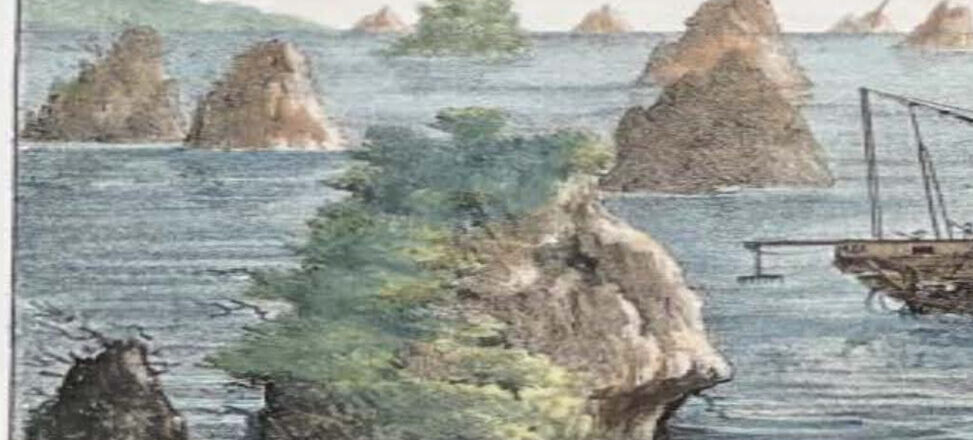
Stromatolites represent some of the oldest and most persistent records of life on Earth. These organo-sedimentary structures have formed through complex interactions between microorganisms and their environment for nearly 3.5 billion years. Here, we trace the evolving scientific narrative surrounding these structures, from their early 19th-century descriptions to their integration into the broader concept of microbialites. This journey reflects a profound conceptual shift: once classified as distinct fossil species, stromato- lites are now understood as mineralising ecosystems and dynamic biogeochem- ical archives. This modern perspective allows for the reconstruction of early life and its environment while highlighting key scientific challenges, such as disentangling microbial from environmental controls and interpreting bioge- nicity in ancient terrestrial and extra-terrestrial rocks.

The Story of Stromatolites – Mineralising Ecosystems and Geo-Biological Archives Read More »

Scroll to Top

December 2025 --The Variscan Orogeny in Europe – Understanding Supercontinent Formation

The Variscan orogen formed between 380 and 300 million years ago through several accretionary and collisional cycles, culminating with the construction of the Pangea supercontinent. This process occurred via sequential opening and closure of oceanic basins, synchronous detachment of Gondwana derived continental ribbons, and their outboard amalgamation onto the Laurussia margin. The Variscan orogen is rather unique compared with other orogenic belts on Earth: its overthickened and dominantly magmatic crust in the central belt, surprisingly minor mantle involvement in the magmatic and geodynamic processes, coherent and pulsed magmatism along the collision suture, and its complex accretionary history. Because its final product, Pangea, is the youngest and best-understood supercontinent on Earth, the Variscan orogeny offers clues for understanding the mechanisms of supercontinent formation.