Thematic Articles

Controls on CaCO3 Polymorphism: From Laboratory Precipitation to Biomineralization across Geological Time

Calcium carbonate (CaCO₃) forms various mineral polymorphs, including calcite, aragonite, and vaterite, each with distinct physicochemical properties. To benefit from these properties, marine organisms have evolved (some) control on the polymorphs from which their biomineral structures are built. This is achieved by modulating the conditions at their calcification sites and the nature of functional organic macromolecules that can serve as templates for carbonate crystallization. Environmental factors, such as seawater chemistry and ocean acidification, also affect polymorph selection, impacting organisms’ calcification pathways. Across geologic time, mass extinction events have influenced evolutionary-scale skeletal mineralogy trends. The organismal controls on CaCO₃ polymorphism have significant implications for ecological and industrial applications, offering insights into the development of environmentally friendly materials with tailored properties.

This content is for Registered members only. To subscribe, please
join one of our participating societies or contact the Editorial Team.

Login
Already a member? Log in here

Controls on CaCO3 Polymorphism: From Laboratory Precipitation to Biomineralization across Geological Time Read More »

Geochemical Proxy Systems in Marine CaCO3 Biominerals Record Both Environmental Changes and Biomineralisation Processes

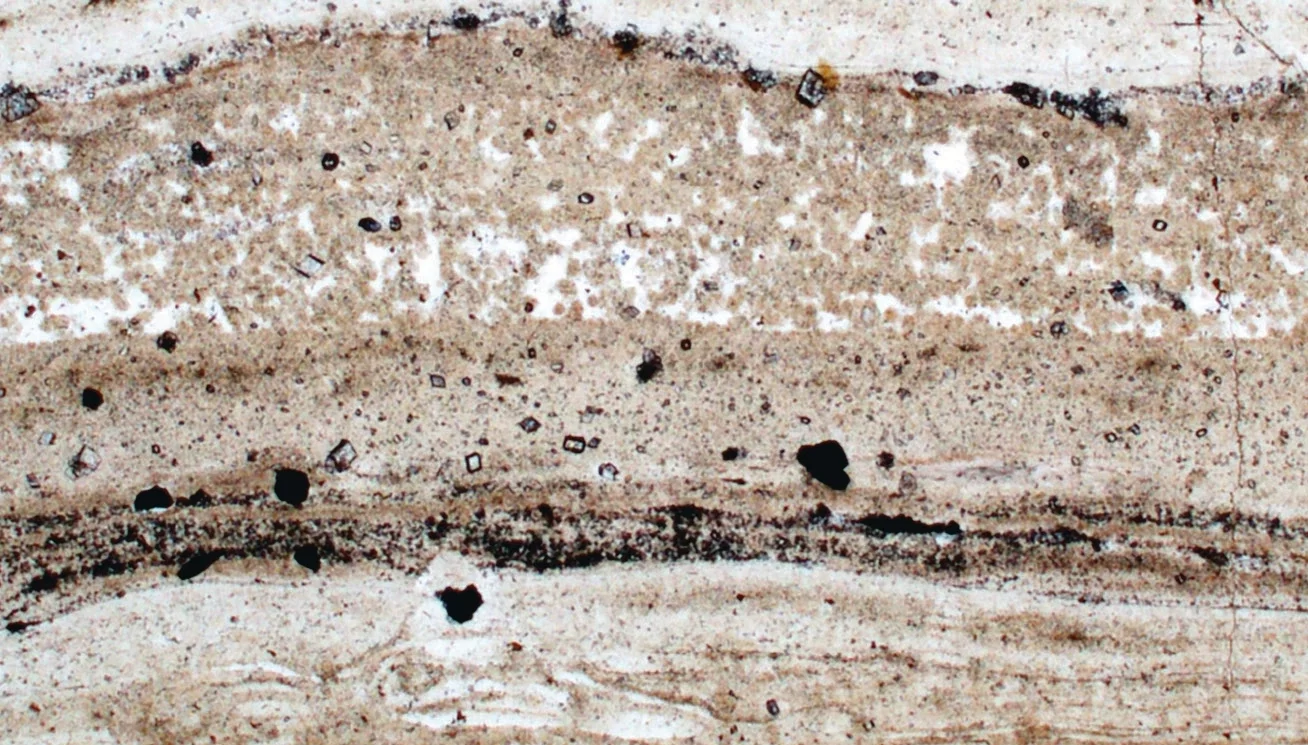
The isotopic and elemental composition of calcium carbonate formed by marine organisms underpins a substantial portion of our knowledge of past climates. These geochemical ‘proxy’ systems have revolutionised our understanding of palaeoenvironmental change, but remain largely rooted in empiricism because of poorly understood biological ‘vital effects’. Here, we outline how this is both a problem and an opportunity—while some proxies have their basis in biological processes, this is the root cause of uncertainty in others. Moreover, integrating geochemistry into biomineralisation models provides additional constraint on cellular mechanisms; geochemical data have untapped potential in the field of biomineralisation and could be used to simultaneously understand the proxies in question and to determine why biomineralising organisms are sensitive to environmental change.

This content is for Registered members only. To subscribe, please
join one of our participating societies or contact the Editorial Team.

Login
Already a member? Log in here

Geochemical Proxy Systems in Marine CaCO3 Biominerals Record Both Environmental Changes and Biomineralisation Processes Read More »

Natural Wonders Formed by Minerals

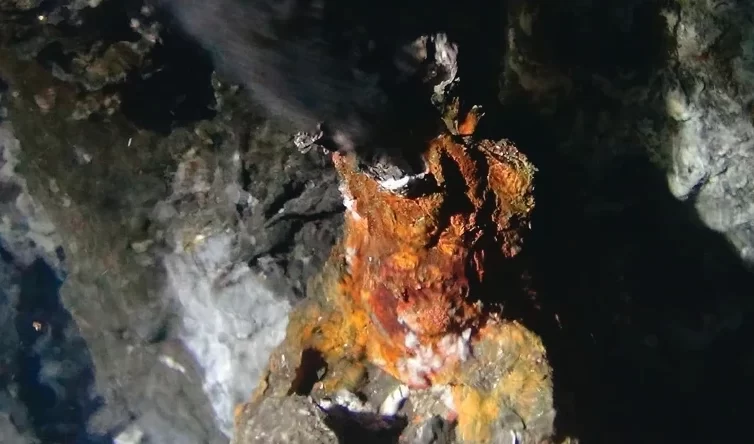
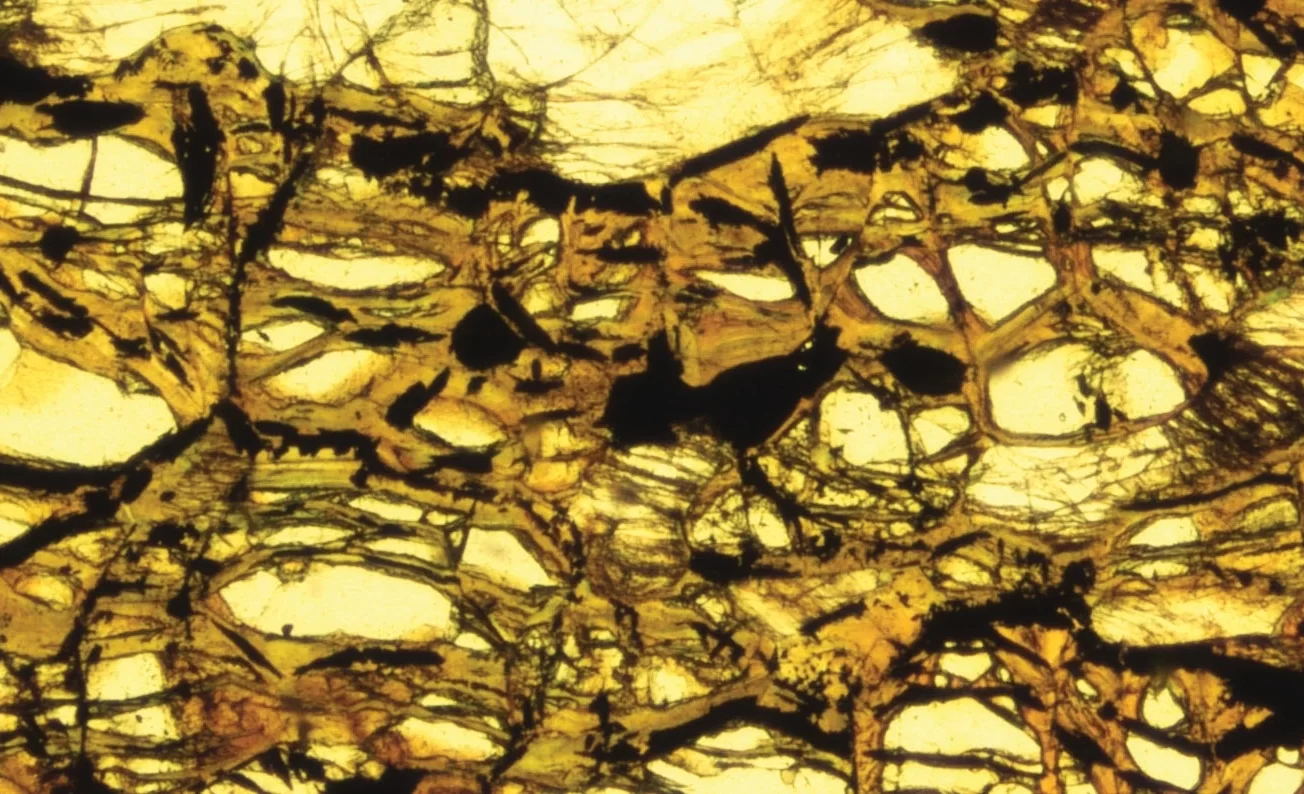
Mineral nucleation and growth can produce remarkable structures in nature. Unique examples include the colossal gypsum crystals from Naica (Mexico), the stalactites/stalagmites in Zhijin Cave (China), and the colorful hydrothermal structures of Dallol (Ethiopia). These formations exemplify the beauty and complexity that can emerge from rather simple mineral nucleation and growth processes. Beyond that, they reflect specific conditions, including near-equilibrium states, extreme salinities, or exceptional slow growth rates. As these conditions are nearly impossible to replicate in a laboratory setting, these natural systems offer unique insights into geochemical processes.

This content is for Registered members only. To subscribe, please
join one of our participating societies or contact the Editorial Team.

Login
Already a member? Log in here

Natural Wonders Formed by Minerals Read More »

Pathways for Nucleation and Growth in Confined Spaces and at Interfaces

Mineral crystallization is central to myriad natural processes from the formation of snowflakes to stalagmites, but the molecular-scale mechanisms are often far more complex than models reflect. Feedbacks between the hydro-, bio-, and geo-spheres drive complex crystallization processes that challenge our ability to observe and quantify them, motivating an expansion of crystallization theories. In this article, we discuss how the driving forces and timescales of nucleation are influenced by factors ranging from simple geometric confinement to distinct interfacial solution structures involving solvent organization, electrical double layers, and surface charging effects. Taken together, these ubiquitous natural phenomena can preserve metastable intermediates, drive precipitation of undersaturated phases, and modulate crystallization in time and space.

This content is for Registered members only. To subscribe, please
join one of our participating societies or contact the Editorial Team.

Login
Already a member? Log in here

Pathways for Nucleation and Growth in Confined Spaces and at Interfaces Read More »

How Minerals Grow: From Monomer-By-Monomer to Particle-Mediated Pathways

Once nucleation is established, mineral growth is the process by which crystals increase in size, either through the addition of individual ions (monomers) or the attachment of more complex species that range from oligomers to nanoparticles. The relative contribution of these two mechanisms, which may occur separately or simultaneously, varies with fluid properties such as supersaturation as well as crystallographic characteristics wherein nonclassical mechanisms involving particle attachment are often more prevalent at early stages of crystallization and classical growth by monomers is dominant at later stages. However, there is no general rule for the type of crystal growth dominating in any given scenario as the interaction of aqueous fluid properties, together with kinetic and thermodynamic factors, will determine the pathway for growth. Ultimately the growth pathway(s) of minerals determines properties such as crystal habit and defect density. The environments where mineralization occurs are as diverse as the materials themselves and require state-of-the-art techniques to probe the details of their formation. Here, we review the current understanding of pathways by which mineral growth occurs in geological, biological, and synthetic processes.

This content is for Registered members only. To subscribe, please
join one of our participating societies or contact the Editorial Team.

Login
Already a member? Log in here

How Minerals Grow: From Monomer-By-Monomer to Particle-Mediated Pathways Read More »

The Birth of Minerals: From Single Step to Multiple Step Mechanisms

Mineral formation from ions in aqueous solutions begins with complex initial stages, where amorphous and liquid-like precursors play pivotal roles before crystalline growth occurs. Both classical and non-classical nucleation and growth theories, introduced in previous chapters, offer explanations, each with their own strengths and limitations, for the complex intermediate phases observed in experimental research. Analytical techniques play a critical role in detecting and characterizing precursor phases, offering valuable insights into nucleation and growth mechanisms across various temporal and spatial scales. Molecular dynamics and modelling provide in-depth perspectives on these phases, allowing for a closer examination of their nucleation and growth mechanisms at the molecular level, and revealing the intricate processes that govern their behaviour.

This content is for Registered members only. To subscribe, please
join one of our participating societies or contact the Editorial Team.

Login
Already a member? Log in here

The Birth of Minerals: From Single Step to Multiple Step Mechanisms Read More »

Early Stages of Mineral Formation in Water: From Ion Pairs to Crystals

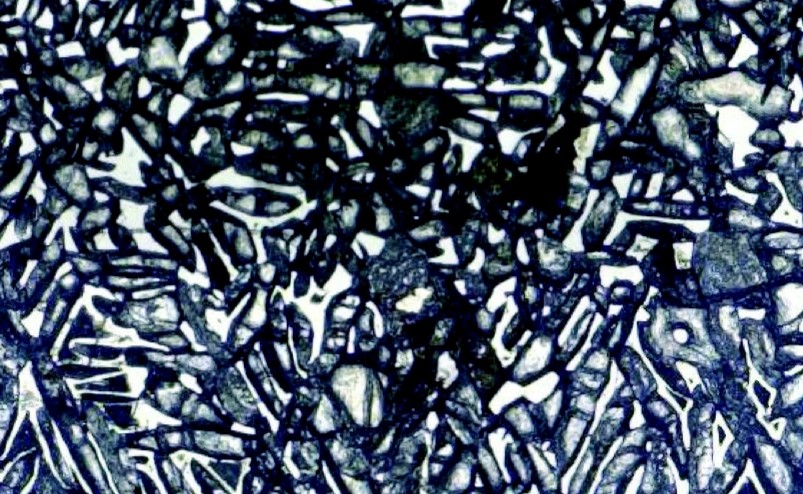
Minerals can precipitate from aqueous solutions via a fascinating variety of pathways. Classically, these pathways were thought to be initiated by a single-step nucleation mechanism. Over the past two decades, several investigations revealed that minerals can form through multi-step processes, from dissolved single ions to the final stable crystal. Depending on the mineral system under investigation and its environment, alternative mechanisms are possible, including ion-by-ion aggregation and agglomeration of clusters of ions. Intermediate species can be intriguingly variable: from ion pairs and ion clusters, to dense liquids, amorphous phases, meso- and (charged) nanocrystals. Here we provide a summarized overview of our current knowledge about processes taking place during the prenucleation stage.

Early Stages of Mineral Formation in Water: From Ion Pairs to Crystals Read More »

A Mineral World

Minerals are indispensable components of our daily lives, sought after for their importance in natural and industrial processes, as well as their aesthetic appeal. There have long been established theories on mineral formation mechanisms, but many questions remain unanswered, and evidence suggests that our traditional view of crystallization is too simplistic. In recent decades, there has been a renaissance in this field, with new studies shedding light on the underlying physical processes. This introductory chapter aims to provide readers with a concise overview of the intricate world of mineral crystallization and its relevance in various research fields, including biomineralization, geochemistry, and industrial applications.

This content is for Registered members only. To subscribe, please
join one of our participating societies or contact the Editorial Team.

Login
Already a member? Log in here

A Mineral World Read More »

Himalayan Leucogranites: Rare-metal Resources

Himalayan leucogranites were once overlooked for rare-metal resources because they initially were thought to have formed by in-situ partial melting of underlying high-grade metamorphic rocks. However, recent findings have revealed widespread rare-metal mineralizations of Be, Nb/Ta, Li/ Rb/Cs, and W/Sn associated with leucogranites in the area, suggesting these mineralizations resulted from extensive fractionation of leucogranitic magmas during long-distance magma transport along the low-angle South Tibetan Detachment System. When combined with coeval Au-Sb-Pb/Zn mineralizations in the Himalayas of the Indian plate, and porphyry Cu-Mo mineralizations in the Gangdese of the Asian plate, a specific Himalayan-type mineralization is proposed to describe the metallogenesis related to the exhumation of the subducted Indian continent, coinciding with the uplift of the Himalayan mountains.

This content is for Registered members only. To subscribe, please
join one of our participating societies or contact the Editorial Team.

Login
Already a member? Log in here

Himalayan Leucogranites: Rare-metal Resources Read More »

Himalayan Leucogranites: A Geochemical Perspective

The geochemical characterization of Himalayan leucogranites offers important insights into both their petrogenesis and Himalayan orogenic processes. Himalayan leucogranites are characterized by strongly peraluminous compositions that are comparable to melts derived from anatexis of sedimentary rocks. Their radiogenic (Sr, Nd, and Hf) isotopic compositions point to metasediments from the Higher Himalayan Sequence of the Indian plate as the primary source rocks, with minor contributions from other lithologies. Himalayan leucogranites display considerable variability in trace element ratios (e.g., Rb/Sr, Nb/Ta, Zr/Hf, and Eu/Eu*) and significant fractionation of non-traditional stable isotopes (e.g., Mg, K, Zn, Rb, and Ba), which provide key constraints on the respective roles of source heterogeneity, crystal fractionation, magma–fluid interaction, and crustal melting in their formation.

This content is for Registered members only. To subscribe, please
join one of our participating societies or contact the Editorial Team.

Login
Already a member? Log in here

Himalayan Leucogranites: A Geochemical Perspective Read More »

Scroll to Top

December 2025 --The Variscan Orogeny in Europe – Understanding Supercontinent Formation

The Variscan orogen formed between 380 and 300 million years ago through several accretionary and collisional cycles, culminating with the construction of the Pangea supercontinent. This process occurred via sequential opening and closure of oceanic basins, synchronous detachment of Gondwana derived continental ribbons, and their outboard amalgamation onto the Laurussia margin. The Variscan orogen is rather unique compared with other orogenic belts on Earth: its overthickened and dominantly magmatic crust in the central belt, surprisingly minor mantle involvement in the magmatic and geodynamic processes, coherent and pulsed magmatism along the collision suture, and its complex accretionary history. Because its final product, Pangea, is the youngest and best-understood supercontinent on Earth, the Variscan orogeny offers clues for understanding the mechanisms of supercontinent formation.