American Chemical Society Spring Meeting
March 23 – 27 American Chemical Society Spring Meeting, San Diego CA USA



March 23 – 27 American Chemical Society Spring Meeting, San Diego CA USA
The next Geochemistry Group Research in Progress (GGRiP) meeting will take place in Birmingham on the 8-10th of April 2025.

This year's MSG RiP will take place at the University of Liverpool under the stewardship of John Wheeler. MSG welcomes Barrow Award winner Jamie Connolly and keynote speakers Nick Roberts […]
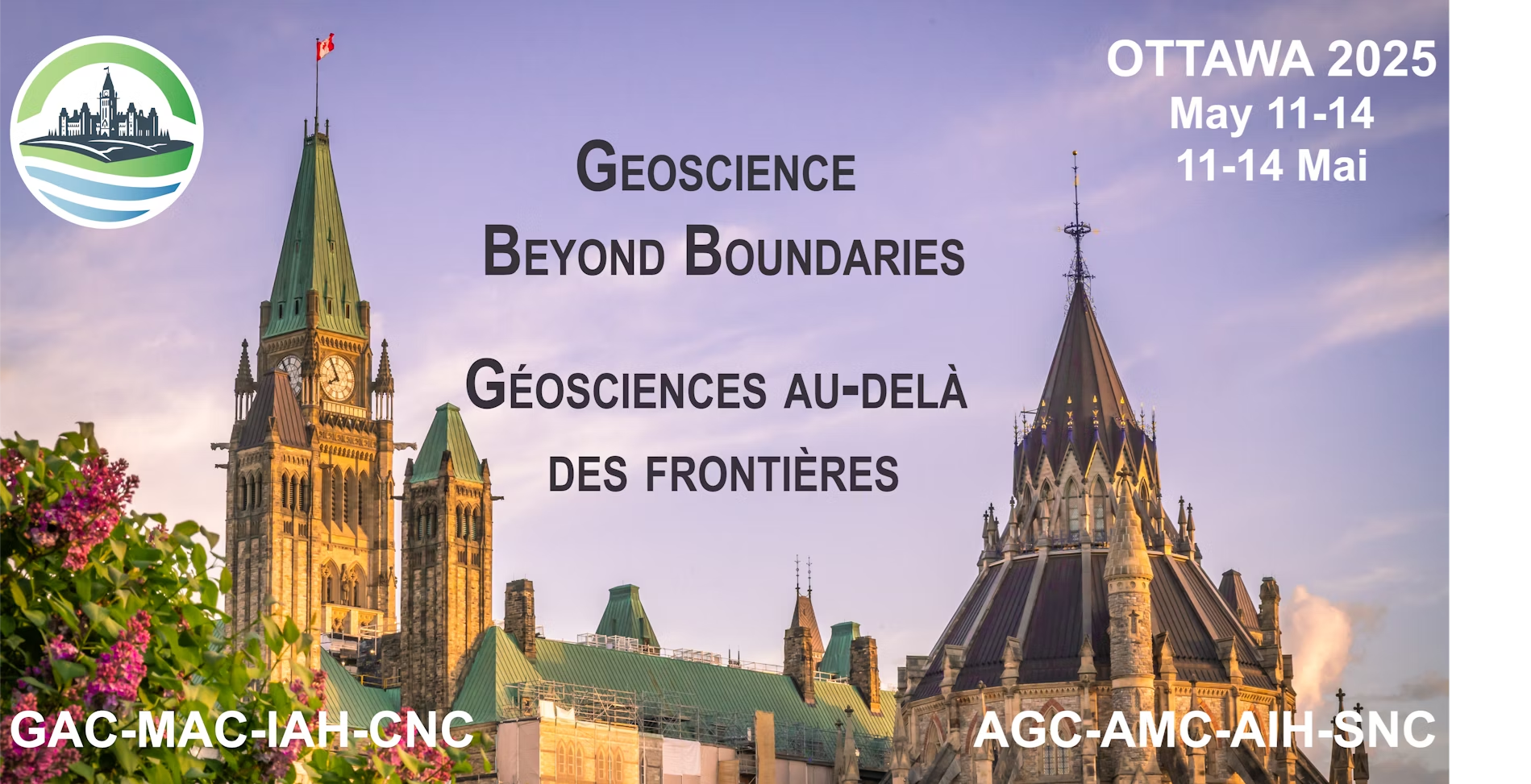
The Geological Association of Canada (GAC®), the Mineralogical Association of Canada (MAC), and the International Association of Hydrogeologists – Canadian National Chapter (IAH-CNC) 2025 annual conference!

The 3rd IAGC International Conference will be held in Cagliari, Italy from 16 − 21 June, 2025. This meeting will include the 18th Water-Rock Interaction Working Group Meeting (WRI-18), the […]
We are delighted to announce that the next Experimental Mineralogy, Petrology, Geochemistry meeting, EMPG XIX, will take place at Orléans, France, 16-19th June 2025. The International Symposium on Experimental Mineralogy, […]
This conference will highlight the latest research on eclogites and related topics during three days of sessions, and two days of field trips in the Franciscan complex. It will include […]
July 6 – 11 2025 Goldschmidt Conference, Prague, Czech Republic
July 13 – 18 AIPEA International Clay Conference, Dublin, Ireland.
The theme of the conference is ‘Sustaining Clays’ to emphasise the myriad roles played by clays, clay minerals, and the closely allied layered double hydroxides and natural zeolites in sustainable […]
July 14 – 18 88th Annual Meeting of the Meteoritical Society, Perth, Australia
July 18 - 23 75th American Crystallographic Association Annual Meeting, Lombard, IL USA